


At ten years, results vary from patient to patient. In general, patients who have maintained a stable weight and a healthy lifestyle are often still satisfied with the shape of their buttocks. However, the skin may have lost some firmness over time, and the natural effects of ageing and gravity can lead to a slight degree of sagging.
In some cases, patients choose a BBL revision or touch-up to restore volume or improve shape. This usually involves a smaller amount of fat transfer than the original procedure.

What to Expect from a BBL After 10 Years?
A well-performed BBL can remain visible and natural-looking after 10 years, especially when the patient has maintained a stable weight and the original procedure was carried out using an appropriate technique.
What usually changes over time is not the fat that successfully integrated, but the skin. As the years pass, some loss of firmness or mild sagging may occur as part of the natural ageing process.
What Is a BBL?
A Brazilian Butt Lift (BBL) involves removing fat from areas such as the abdomen, thighs, or back using liposuction. The fat is then processed and transferred to the buttocks to increase volume and improve their shape.
The main advantage of a BBL is that it uses the patient’s own fat, which reduces the risk of rejection and allows for a more personalised result. In addition, by combining liposuction with buttock augmentation, the procedure can improve the overall body contour at the same time.
Quick answer: What Does a BBL Look Like After 10 Years?
After 10 years, a BBL can maintain its volume in patients who have kept a stable weight. The fat that successfully survives and integrates behaves like normal body fat and can remain long term. What tends to change over time is the skin, which may lose some firmness with natural ageing and lead to mild sagging. The shape and volume are generally maintained in the areas where the transferred fat has successfully integrated.
Final result visible
3–6 months.
Fat retention
Lifetime, as long as a stable weight is maintained.
Key factor
Stable weight and healthy habits.
Technique
Subcutaneous fat, above the muscle.
The Essential Things You Need to Know
- The 10-year result depends mainly on weight stability, skin quality, and the original surgical technique.
- The volume that successfully integrates during the first few months can remain long term if there are no major changes in body weight.
- Natural ageing may lead to some skin laxity over time, although the achieved shape can still remain visible.
- The best long-term results are generally seen in patients with stable habits and good skin elasticity.
- An individual assessment helps determine what long-term evolution is realistic based on anatomy, skin quality, and available fat.
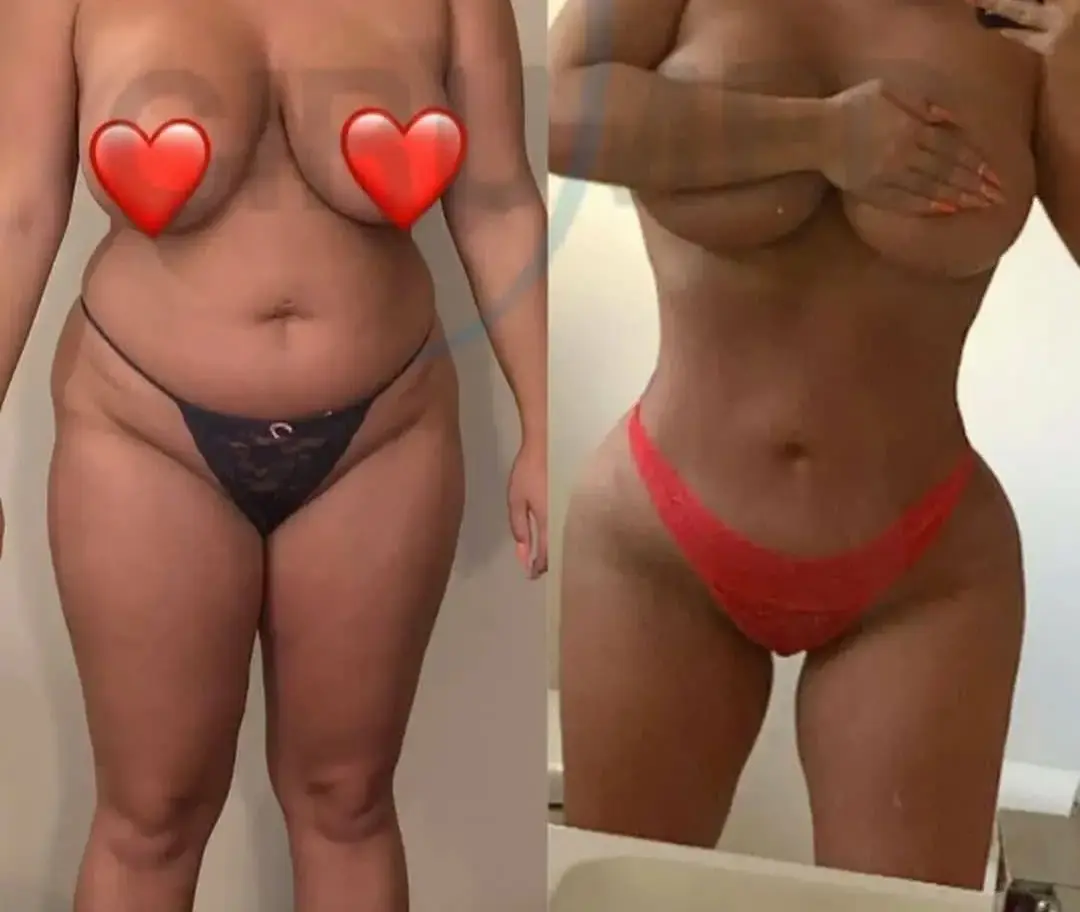
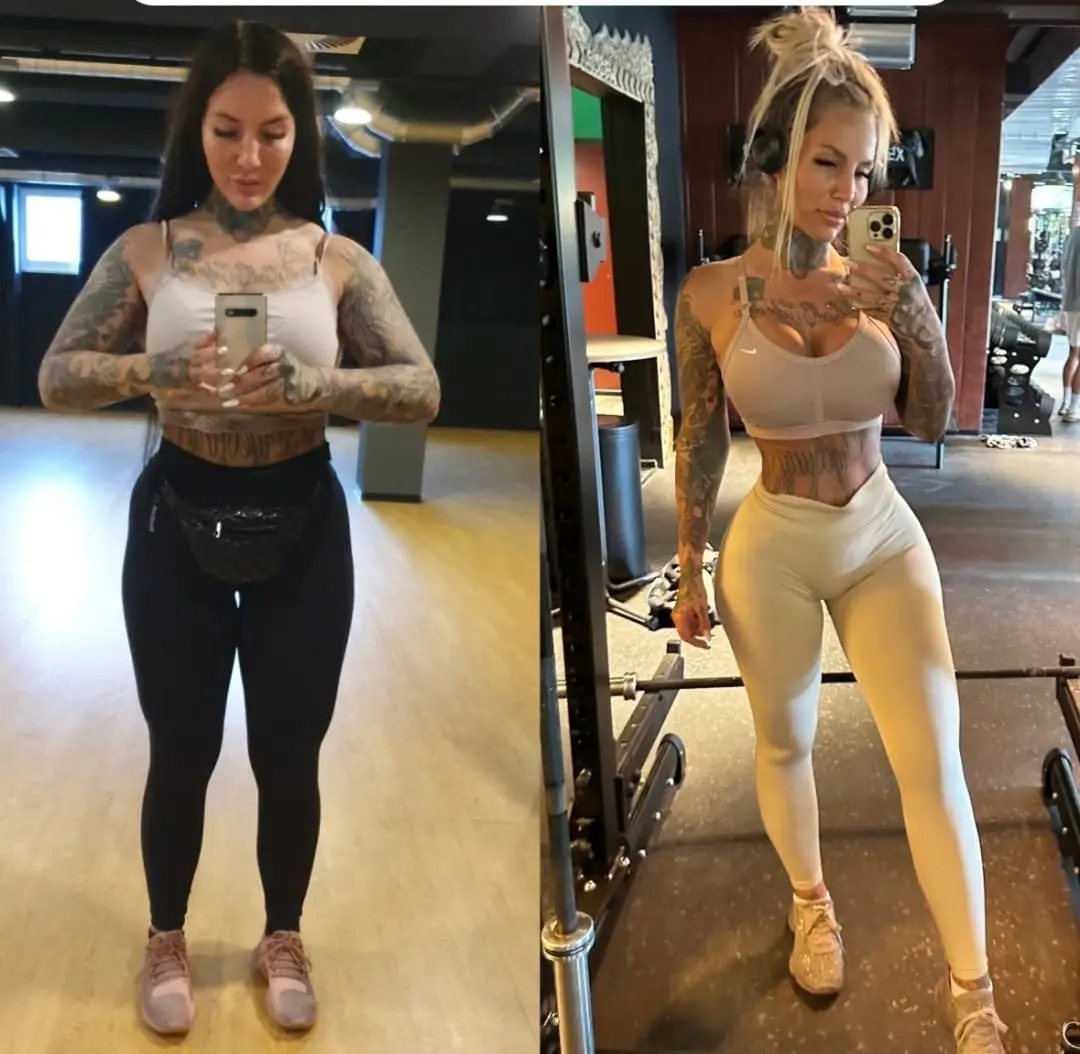
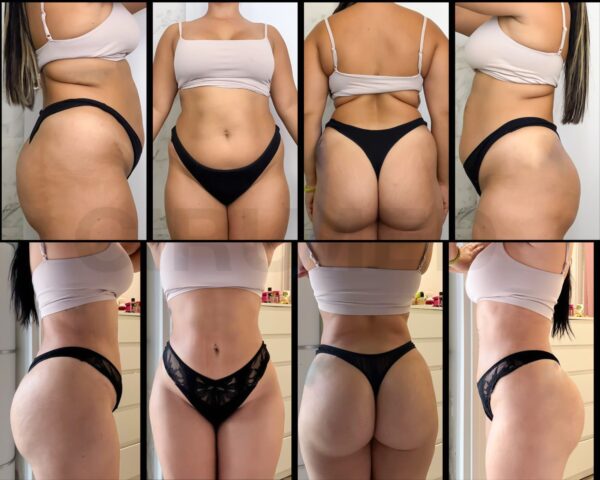
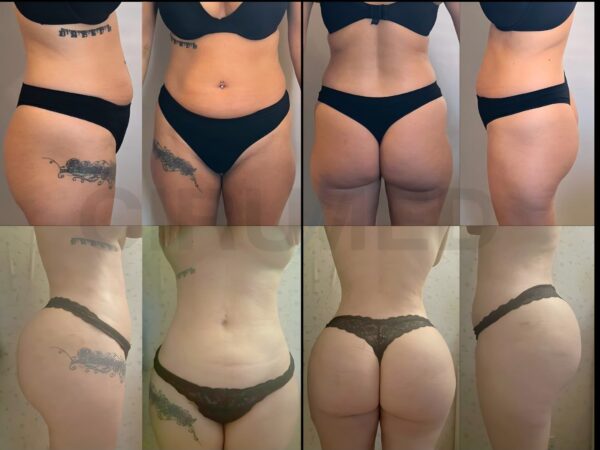
The BBL procedure in Marbella is one of the most popular cosmetic surgery procedures. It uses the patient’s own fat to add shape and volume to the buttocks, offering a more natural result than implants in suitable cases. In this article, we provide an honest overview of how BBL results can evolve over the long term, based on more than 7,000 documented cases.
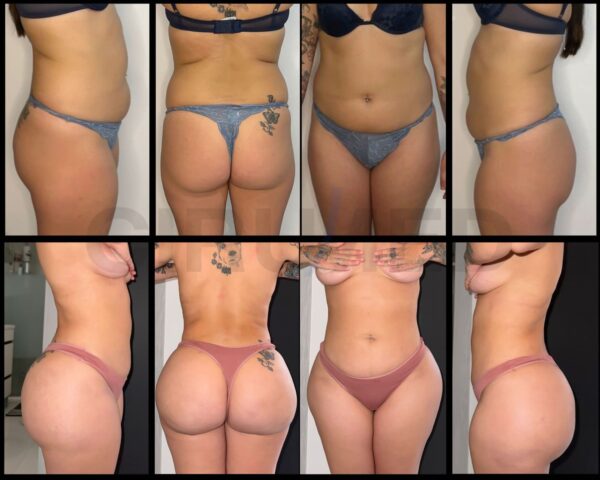
Real Cases: Documented Long-Term Results
Request Your Personalised Assessment
BBL Evolution Over Time
What Can You Expect in the Short and Long Term? Below, we explain how the result typically evolves at each stage.

First Few Months
After a BBL, swelling develops in the treated areas. During the first few weeks, the body reabsorbs part of the transferred fat: around 20–40% may not survive. The remaining fat that successfully integrates can remain long term.
The swelling gradually decreases, so the final result is usually assessed between 3 and 6 months. At that stage, the contour and retained volume are much easier to evaluate.
Changes Between 1 and 2 Years
The fat that successfully survives the transfer stabilises and becomes a long-term part of the body. In general, the results can remain stable as long as body weight stays consistent. However, the transferred fat in the buttocks behaves like fat elsewhere in the body: it can increase with weight gain and decrease with weight loss.
What Does a BBL Look Like After 5 Years?
After five years, most patients who have maintained a stable weight retain much of the volume and shape achieved with the BBL. However, early signs of skin ageing, such as mild laxity, may begin to appear. Skin quality becomes especially important at this stage, as patients with better elasticity tend to maintain a firmer appearance for longer.
An Honest Answer from a Surgeon with Extensive Experience in Gluteal Surgery
Request Your Personalised Assessment
BBL Results Over Time Table
| Stage | What You See | What Affects It |
|---|---|---|
| Months 1–6 | Active healing phase. Around 20–40% of the transferred fat may be reabsorbed. The final shape is not yet fully visible. | Pressure when sitting, compression garment use, and weight stability. |
| Months 6–12 | The fat that successfully survived has integrated. The result is more stable and natural-looking, and the retained volume can remain long term. | Weight becomes one of the main factors from this stage onwards. |
| Years 1–5 | Results are generally very stable for many patients. The transferred fat responds to weight changes like fat elsewhere in the body. | Weight changes, pregnancy, and exercise habits. |
| Years 5–10 | Volume can remain stable when body weight is maintained. The skin may gradually lose some firmness with age. | Ageing, loss of collagen, and sun exposure. |
| 10+ Years | The retained volume can remain in the areas where the fat successfully integrated. The skin may show some sagging as part of the natural ageing process. | Overall health, weight stability, and skin ageing. |
Do You Want to Know What Is Realistic for Your Anatomy and How Long the Results May Last?
Factors That Affect What a BBL Looks Like After 10 Years
Changes in Body Weight
Body weight is one of the most important factors in maintaining long-term BBL results. If the patient gains weight, the buttocks may increase in volume, although not always evenly. On the other hand, significant weight loss can reduce volume and alter the shape achieved with the procedure.
Natural Ageing Process
Over the years, the skin gradually loses elasticity and the tissues are affected by gravity. This can cause the buttocks to lose some firmness even when body weight remains stable. In addition, the transferred fat can change over time in a similar way to the body’s natural fat.
Lifestyle and Skin Care
Quality of the Initial Procedure
The surgeon’s experience can directly influence the longevity of the result. A procedure performed using an advanced technique, with the fat placed in the correct subcutaneous plane above the muscle, is more likely to provide stable, long-lasting results.
Still Looking for Information?
Patients searching for “what does a BBL look like after 10 years” are usually looking for real evidence before making a decision. The most useful next step is not simply to keep reading, but to review real long-term cases from a surgeon with enough experience and case volume to identify clear patterns over time.
7,000+ BBL Procedures
Extensive Experience in Gluteal Surgery
16 Years
Specialisation in Body Contouring Surgery
ASERF Task Force
Participation in International BBL Safety Initiatives
Cases with 7+ Years of Follow-Up
Documented Long-Term Results
Related Reading to Better Understand Your Case
Frequently Asked Questions: BBL After 10 Years
What Does a BBL Look Like After 10 Years?
A well-performed BBL can maintain a natural-looking and visible result after 10 years in patients who keep a stable weight. The fat that successfully survives the first 6 months integrates into the surrounding tissue and can remain long term. What changes over time is mainly the skin, which continues to age naturally and may gradually lose some firmness.
How Much Fat Survives Long Term After a BBL?
Around 60–80% of the transferred fat may survive the initial healing phase, which typically lasts 3–6 months. The fat that successfully integrates can remain long term and behaves like natural body fat, although its volume can still change with weight fluctuations and ageing.
Does a BBL Sag or Flatten After 10 Years?
The transferred fat itself does not typically flatten simply because time has passed. However, as the skin naturally ages and loses elasticity, the buttocks may develop some mild sagging after 10 years or more. This is mainly related to changes in the skin and supporting tissues rather than the transferred fat itself.
When Is the Final BBL Result Visible?
The final, stable BBL result is usually visible after 3–6 months. Before that point, the buttocks may appear larger due to swelling, and the shape gradually settles as the healing process progresses. With a stable weight, the contour seen at around 6 months can remain similar over the long term, although natural ageing and changes in skin elasticity may still affect the appearance over the years.
What Happens to a BBL If I Gain or Lose Weight?
BBL fat behaves like fat elsewhere in the body: it can increase in volume with weight gain and decrease with weight loss. Significant weight loss may reduce the volume achieved with the procedure. For this reason, maintaining a stable weight before and after surgery is one of the most important factors in preserving long-term BBL results.
Can a BBL Be Touched Up After 10 Years?
Yes. A secondary fat transfer can help restore volume lost due to weight changes or ageing. In patients with limited donor fat, the Supercharged BBL may be a suitable option. Dr. Aslani performs BBL revision surgery and assesses each case individually.
Which BBL Technique Provides the Best Long-Term Results?
The technique associated with strong documented fat-survival rates involves placing fat in the subcutaneous plane above the muscle using multiple small-volume passes. At Cirumed, Dr. Aslani uses the EVL technique with blunt 4 mm cannulas. His technique has been published in Plastic and Reconstructive Surgery.
A Well-Performed BBL Can Last. The Real Question Is Whether Yours Will Be Done Properly.
Long-term results depend on two things: the surgical technique and how well you maintain your weight. The first is the surgeon’s responsibility. The second is yours.
A 30-minute video consultation can help you understand what is realistic for your anatomy and what you can expect after 1 year, 5 years, and 10 years.