



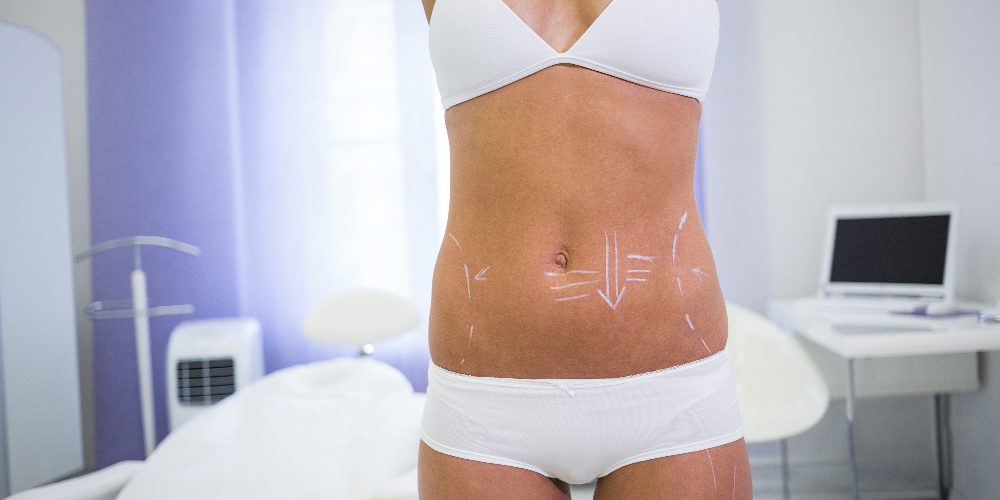
Hip dips: what they are, why they appear and how to correct them
Hip dips are natural indentations in the lateral area of the hip. They are not a deformity or a medical problem, but an anatomical feature related to the shape of the pelvis, fat distribution, and muscle structure.
In some cases, they can be softened through training or changes in body composition, but when the sagging is pronounced, the most effective option is usually a medical evaluation to explore treatments such as fat transfer, BBL, or customized body contouring surgery.
In-person or video call consultation. We assess available fat, pelvic anatomy, waist, hips, and realistic expectations.
What options exist to soften them?
You've probably already heard the term "hip dips". In recent years it has become very popular within the world of aesthetics and fitness.
These hip clefts, also known as "violin hips"They are a natural body shape and have generated considerable debate about whether they are normal or should be corrected.
The reality is simple: Not everyone has hip dipsThey are an anatomical feature that varies from person to person. Even so, many women prefer to soften them for purely aesthetic reasons.
In this guide we explain what they are, why they appear, what treatments exist and what a treatment involves hip dips operation.
| Cause of hip dips | What can help | Realistic limitation |
|---|---|---|
| Natural structure of the pelvis | Body contouring planning to smooth the waist-to-hip transition | Bone structure does not change with exercise or cosmetic surgery. |
| Little fat in the lateral hip area | Fat transfer or BBL in suitable patients | Sufficient donor fat is needed |
| Uneven volume distribution | Liposculpture, 360 liposuction and strategic fillers | The goal is to soften, not completely transform, the anatomy |
| Lack of gluteal projection | BBL, Supercharged BBL or buttock implants depending on the case | The technique depends on the starting body type and skin quality. |
What are hip dips?
Hip dips are depressions or indentations that some people have in the lateral area of the hips, specifically between the iliac crest and the greater trochanter of the femur.
They are not a health problem. They are a normal anatomical variation within the different forms of the human body.
The visibility of hip dips depends primarily on each person's bone structure. They are not directly related to being overweight or underweight, and cannot be completely eliminated through diet or exercise.
Its appearance is more frequent in women due to the anatomy of the female pelvis.
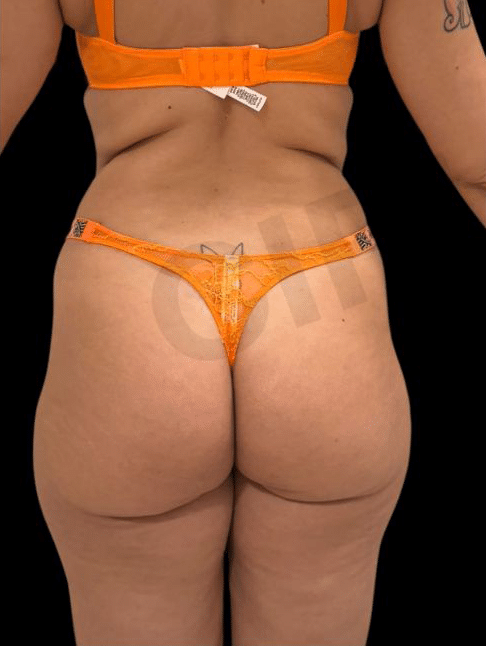
Causes of hip dips
The appearance of hip dips depends primarily on individual anatomy. These are the most determining factors:
1) Bone structure
The shape of the skeleton is the most determining factor. If there is a greater distance between the iliac crest and the greater trochanter, a space is created where the cleft becomes more visible.
2) Body fat distribution
Fat is not distributed equally in all people. Those who have less fat accumulation in this specific area tend to have a more pronounced hip dip.
3) Muscle development
Muscles like the gluteus medius and tensor fasciae latae influence hip shape. However, even when strengthened, the anatomical space cannot always be "filled" through exercise alone.
4) Genetics
Genetics largely determines the shape of the pelvis, muscle insertion, and the way the body distributes fat.
Why exercise doesn't always solve hip dips — and what options are out there
Hip dips are related to the distance between the iliac crest and the femur. This structural separation exists regardless of how developed the gluteus medius is. Exercise can improve muscle tone and overall appearance, but it can't always fill a pronounced anatomical depression.
When the goal is to visibly smooth out lateral sagging, one of the most effective options is the fat transfer: precisely place your own fat in the lateral depression to create a more continuous curve from waist to hip.
At Cirumed, we treat hip dips as part of a plan Full BBL instead of addressing them in isolation, because the result is usually more harmonious when the waist, hips and buttock contour are planned together.
The key question isn't just whether hip dips can be improved. The question is whether your anatomy allows for the procedure—specifically, whether you have enough donor fat in your abdomen, flanks, or lower back to achieve a significant result.
How to get rid of or soften hip dips?
There are several options for softening the appearance of hip dips. At Cirumed, the most effective alternatives are the following:
Brazilian Butt Lift
El Brazilian Butt LiftThe Brazilian Butt Lift (BBL) is one of the most effective treatments for significantly improving the contour of this area. It consists of performing a liposuction in donor areas such as the abdomen, back, or thighs. The extracted fat is then processed and strategically injected into the hips and buttocks.
Its main advantage is that it uses the patient's own tissue, which usually leads to more natural-looking results. When combined with liposuction, it improves several areas of the body simultaneously. Post-operative recovery requires approximately 4-6 weeks and the use of a compression garment.
Supercharged BBL
El Supercharged BBL It's a more advanced version of the traditional BBL that combines different techniques into a single procedure. In addition to high-definition liposuction, it can include implants when there isn't enough donor fat to achieve the desired result with grafting alone.
It is an especially useful option in thin patients or in cases where a more powerful and structural change is sought.
You can see real examples in our gallery of before and after.
Want to know if your hip dips can be corrected with fat or BBL?
The first step is to assess your anatomy: available fat, pelvic shape, waist, hips, gluteal projection, and expectations. Our team can guide you with a personalized assessment.
Are you a candidate for hip dip correction?
Not everyone with hip dips is a surgical candidate — and at Cirumed we are honest about that from the first consultation.
✓ Good candidate for correction
- Visible lateral depression that worries you aesthetically
- Stable weight for at least 6 months
- Sufficient donor fat in the abdomen, flanks, or lower back
- Realistic expectations of smoothing, not total removal
- Willing to follow the 4-6 week recovery protocol
✗ Surgery may not be the right step yet
- Weight still fluctuating significantly
- Very low body fat with no viable donor areas
- Expectation of complete elimination rather than smoothing
- Inability to avoid pressure on the area for 3 weeks
- Looking for a quick, non-surgical solution
Want to know the best way to soften your hip dips?
If you recognize yourself in the left-hand column, a 30-minute consultation with the team of Dr. Aslani It will give you a clear answer about what's achievable for your specific anatomy. We assess the available fat, the shape of your pelvis, and the type of change you're looking for.
How much does it cost to refill hip dips?
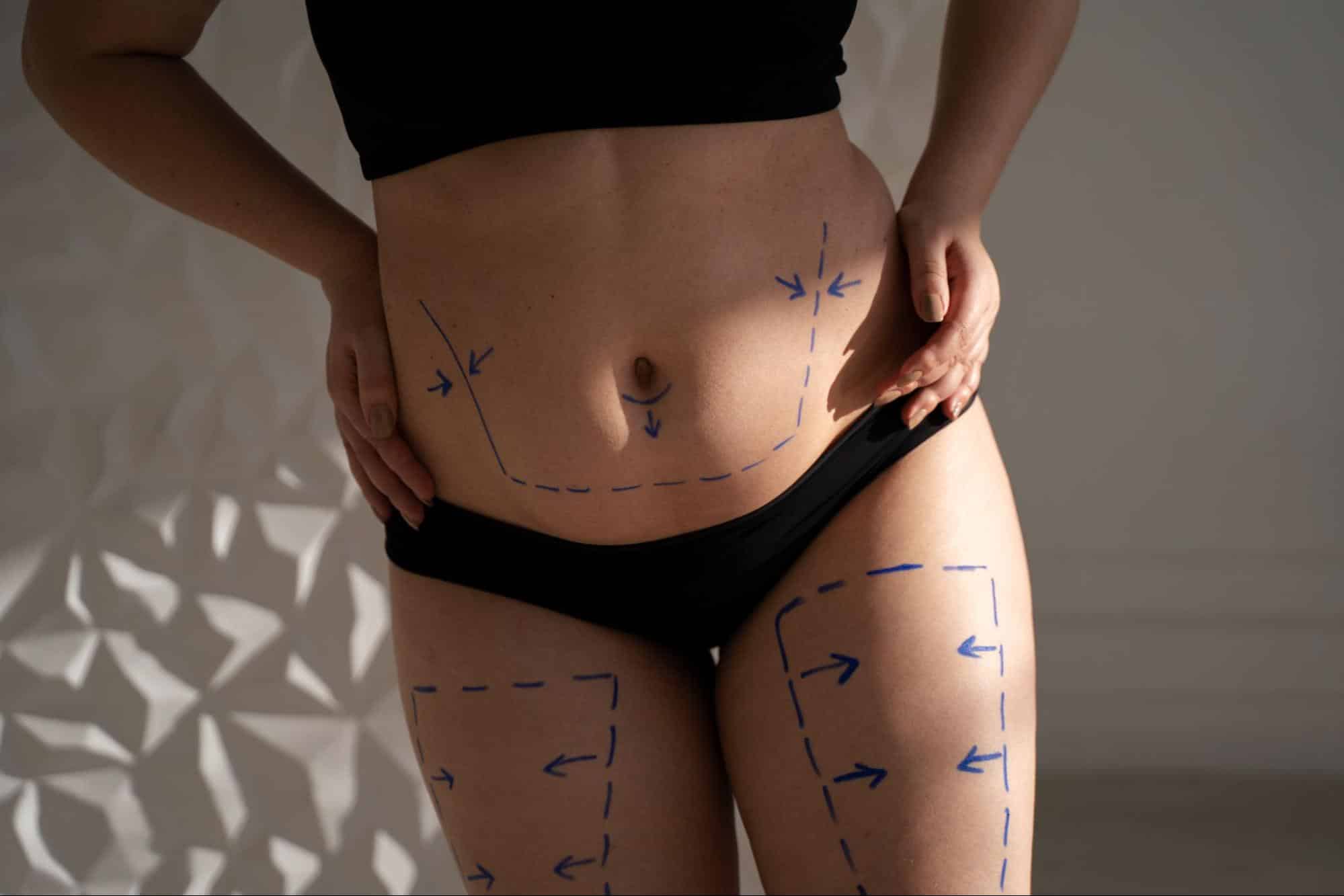
Since at Cirumed hip dip correction is performed as part of a plan of Brazilian Butt LiftThe price follows the BBL framework: surgery starts from €10.700The final cost depends on the extent of liposuction required and whether the approach is indicated. Supercharged BBL.
All prices include the certified hospital operating room, specialized anesthesia, and the complete post-operative protocol. A detailed quote is provided after the video consultation, once the surgical plan has been individually evaluated.
This decision should be carefully considered. It's not advisable to be swayed by aggressive offers or discounts, because the surgeon's experience is essential to both safety and the outcome.
More information: hip dips surgery at Cirumed.
Recovery and postoperative care
The success of the procedure depends largely on how the postoperative period is managed. It is essential to follow the surgeon's instructions precisely.
BBL or Supercharged BBL
The most important restriction is to avoid direct pressure on the grafted fat for the first 3 weeks—avoid sitting directly on your hips or buttocks. A compression garment is worn for 4-6 weeks. Most patients return to office work in 1-2 weeks and to light activity in 4 weeks. High-impact exercise is avoided for 6-8 weeks. The final result is visible after 3-6 months, once the swelling has resolved and the remaining fat has integrated.
If the treatment includes implants
- Limit wide movements during the first 4 weeks
- Follow specific instructions for scar care
- Avoid sudden stretching during initial recovery
If you're considering a fat transfer to improve your hip dips, also check out the BBL priceIn patients who have already undergone previous gluteal surgery, it can also be helpful to know the options available. BBL revision surgery.
Tips before the procedure
Physical and mental preparation
- Achieve a stable weight close to your ideal weight
- Maintain good hydration
- Quit smoking well in advance
- Clarify all your doubts with the doctor.
- Have realistic expectations about the outcome
- Also prepare yourself for the recovery process
Logistical preparation
- Make sure you have help during the first few days
- Organize your space for recovery
- Purchase necessary supplies in advance, such as a BBL cushion or recommended clothing.
Research and security
Thoroughly research the clinic and the surgeon. Check certifications, review case studies before and after and read reviews from other patients.
En Cirumed Clinic, Plastic surgery clinic in MarbellaYou will find a medical team led by the Dr. Alexander Aslani, a pioneer in BBL procedures with over 30 years of experience and more than 7.000 BBL procedures performed.
 Example of hip dip correction with liposuction and strategic fat grafting — Cirumed Clinic Marbella.
FAQ
Can hip dips be corrected permanently?
Hip dips can be permanently and significantly smoothed through fat transfer—specifically, autologous fat grafting as part of a Brazilian Butt LiftThe fat that survives the healing phase becomes permanently integrated into the lateral hip tissue. However, the underlying bone structure remains unchanged: the surgery fills the depression with living tissue to create a more curved and seamless transition from waist to hip. The result is permanent as long as weight remains stable.
Why can't exercise completely correct hip dips?
Hip dips are related to skeletal geometry, particularly the distance between the iliac crest and the greater trochanter of the femur. Exercise can improve muscle tone and the overall shape of the glutes, but it cannot always fill a structural depression. Therefore, in pronounced cases, fat transfer may be a more effective option for smoothing the lateral hip contour.
How much fat is needed to correct hip dips?
The amount of fat required depends on the depth and width of the depression, which varies considerably between patients. Typically, a significant correction requires 150-300 cc of purified fat per side, placed in multiple layers within the lateral hip depression. This fat must be harvested from viable donor sites, usually the abdomen, flanks, and lower back. Patients with very low body fat may not have sufficient donor volume to achieve a satisfactory result using fat alone.
Is hip dip correction the same as a BBL?
At Cirumed Clinic, hip dip correction is normally performed as part of a comprehensive treatment plan. BBL rather than as an isolated procedure. This is a deliberate clinical decision: treating lateral hip depression without addressing the overall waist-to-hip contour can produce less harmonious results. By combining 360° liposuction with fat transfer to the hips and buttocks, the result is typically a more coherent and balanced silhouette.
How long does recovery last?
Recovery follows the standard BBL protocol. The most important restriction is avoiding direct pressure on the grafted fat for the first 3 weeks. A compression garment is worn for 4-6 weeks. Most patients return to office work in 1-2 weeks and light activity in 4 weeks. High-impact exercise is avoided for 6-8 weeks. The final result is visible after 3-6 months.
What result can I realistically expect?
A realistic expectation is a smoother, more continuous curve from the lateral waistline to the hip and thigh, with the visible depression significantly softened. Most patients describe the result as fuller-looking hips and a more defined waist. The degree of correction depends on the depth of the original depression, the volume of fat transferred, and the individual fat survival rate. Similar cases are reviewed during the consultation to align expectations with what is anatomically achievable.
Can thin patients with little body fat undergo surgery?
This is the most frequent limiting factor in hip dip correction. Patients with very low body fat may not have enough volume in the abdomen, flanks, or lower back to significantly fill the lateral hip depression. In these cases, a Supercharged BBL Combining the small amount of available fat with gluteal implants can expand what is achievable, although implants are not routinely used to correct hip dips on their own. A consultation with Dr. Aslani will determine if there is sufficient donor fat and which approach is most appropriate.
Are hip dips normal?
Yes. They are a normal anatomical variation and do not represent any health problem. Their visibility depends primarily on individual bone structure, not weight or physical condition.
Hip dips are often structural. Exercise can't always correct them.
Fat transfer as part of a BBL plan can help smooth the lateral contour of the hips. The key question is whether your anatomy allows it—and that's answered with a personalized assessment.
Request an assessmentVideo call consultations available for national and international patients. No obligation.




