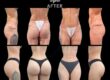
buttock implants They are one of the most sought-after cosmetic procedures for those looking to increase buttock volume in a predictable and lasting way. In this guide, you'll find everything you need to know before making a decision: what types of buttock implants They exist, their sizes, placement techniques, recovery, and how to choose the most suitable option for your anatomy.

What is a Buttock Implant?
An buttock implants It is an implant made of body-compatible materials, primarily cohesive silicone gel, designed to increase the volume and improve the shape of the buttocks. Unlike fat transfer, implants allow for immediate and predictable augmentation, without depending on the amount of fat available in the patient's body.
The implants are placed through a procedure called gluteoplasty, which is performed under local anesthesia with sedation or general anesthesia. Therefore, it is especially useful for patients with little fat tissue who are not candidates for a more traditional approach. BBL with own fatHowever, for those who do have enough fat, the Supercharged BBL Combining implants with fat transfer can offer a more complete result.
Benefits of buttock implants
The use of implants offers multiple advantages over other options:
Immediate and long-lasting results
Unlike fat transfer, which involves some reabsorption over time, volume with implants is obtained immediately and is consistently maintained in the long term.
Proven safety
Modern implants are manufactured with high-quality materials that minimize risks. Furthermore, the technique has evolved to become one of the safest in body surgery.
full customization
Prostheses are produced in different sizes, shapes, and textures. Therefore, they can be adapted to different body types and the aesthetic goals of each patient.
Solution for patients with little fat
Implants are the ideal option for those with little fat tissue who cannot access a fat transfer with real volume results.
It may interest you: female body types.
Types of buttock implants: shape, surface and filling
Not all buttock implants are the same. There are significant differences in shape, shell surface, and filling material. Understanding these differences will help you better understand the options your surgeon will present during your consultation.
According to the form
← Swipe to see →
| Type | Effect | Indicated for |
|---|---|---|
| Round | Uniform increase in the entire gluteal area | Patients seeking greater overall volume |
| Anatomical | It mimics the natural shape of the buttocks | Those seeking a more natural result. It's the most commonly used. |
| Oval | Specific projection at the top or bottom | Patients with specific shape goals |
According to the surface
- Smooth: easier to place and with less adherence to tissues, which reduces the risk of certain complications.
- Textured: They integrate better with the surrounding tissues, thus reducing the risk of capsular contracture (hardening of the tissue around the implant).
According to the filling
- Cohesive silicone gel: The most widely used. It is safe, stable, and maintains its shape even if broken. Furthermore, it offers the most natural appearance and is very durable.
- Hydrogel: Less common. It is inserted empty and filled from the inside. It is composed of carboxymethylcellulose and is biodegradable.
Buttock implant sizes: how to choose the right volume
the size of a buttock implants The choice is not based solely on aesthetic preference; it depends on several anatomical and personal factors that the surgeon will evaluate during the consultation.
Available volume
Implants come in different volumes, usually between 200 cc and 400 cc. The most common size is 300 cc as a starting point. However, the final choice depends on each patient's physical structure and the desired result.
Body proportion
To choose the ideal size, the implant must harmoniously complement the patient's height, weight, and hip shape. Therefore, it is always important to consult with a surgeon experienced in buttock augmentation surgery.
Aesthetic goals and lifestyle
Each patient has different expectations. Furthermore, it's important to consider lifestyle: if someone exercises intensely, for example, a moderate size might be more suitable than the maximum available.
How much does a buttock implant cost?

The price of buttock augmentation with implants varies depending on several factors: the clinic, the surgeon's experience, and the complexity of the procedure, which is tailored to each patient's individual characteristics. Generally, the total price ranges from €7.000 to €12.000, including medical and surgical fees, operating room use, equipment, and follow-up appointments.
Important: Don't be swayed by low prices. The surgeon's quality and experience should always be your priority. A poorly performed surgery can lead to serious complications and long-term additional costs that far outweigh the initial savings.
Techniques for placing buttock implants
Incision in the central fold
This is the most commonly used technique. It involves making a small incision of 5 to 7 cm in the crease between the buttocks. This way, the scar becomes virtually invisible once healed.
Placement under the muscle
The implant is placed under the gluteal muscle. This position provides a more natural appearance and also reduces the risk of subsequent complications such as capsular contracture.
Combination with liposculpture
In some cases, the intervention can be combined with liposculpture and fat transfer. Therefore, this combination — known as Supercharged BBL It provides better body harmony and allows for the treatment of contour irregularities at the same time.
How to choose the right buttock implants
Consult with a certified specialist
It's essential that a plastic surgeon experienced in buttock augmentation assess the feasibility of achieving your desired results by analyzing your anatomy and medical history. Many professionals also offer 3D simulations so you can visualize the outcome before making a decision.
Consider your lifestyle
When choosing the size, consider the potential discomfort of an implant that's too large. If you exercise regularly, a moderate size is usually more suitable and comfortable in the long run.
research and compare
Review before-and-after photos of real cases, read testimonials from other patients, and choose a clinic with a proven reputation and verifiable medical publications. You can see our gallery of results of buttock augmentation.
Recovery after buttock implant surgery
Initial rest
For the first two or three weeks, rest is more strictly necessary. Specifically, it's essential to avoid any strenuous physical activity and maintain a posture that doesn't put direct pressure on the buttocks.
Compression belt
The compression garment helps reduce swelling, maintain the position of the implants while they settle, and accelerate the healing process. Therefore, its use is essential during the first few weeks.
Scar care
Following your doctor's instructions precisely to keep the scar clean is key to preventing potential infections. Furthermore, all these precautions should be accompanied by regular medical checkups to detect any complications early.

Before and after: results with buttock implants
The results are visible immediately after surgery, with a noticeable increase in volume and firmness. However, swelling can take up to 3 months to completely subside. Once reduced, the final results show a more defined and balanced silhouette. To see real cases, visit our gallery of buttock augmentation before and after.
How long do buttock implants last?
Buttock implants have an average lifespan of 10 to 15 years, although this period can be extended with proper care. The surgeon will indicate when a check-up is recommended to assess the condition of the implant and determine if it needs to be replaced.
Risks and complications of buttock implants
⚠ Risks to know before surgery
- Infections: These are generally avoidable by following the surgeon's hygiene instructions.
- Implant rejection: It is rare, but possible. It manifests with clear symptoms and may require removal of the implant.
- Aesthetic complications: Asymmetries, capsular contracture, or undesirable results. In many cases, these can be corrected during a follow-up appointment.
- Changes in sensitivity: Some patients notice temporary changes in the area, which in most cases resolve over time.
Cirumed Clinic: experts in buttock augmentation in Marbella
En Cirumed Clinic, under the direction of Dr. Alexander AslaniWe offer the full spectrum of buttock augmentation procedures: from BBL with your own fat to the Supercharged BBL with combined implants and fat transfer. To expand your research, you can also consult the ISAPS guidelinesSchedule your consultation and discover which option is best suited to your anatomy.
Request an assessment →No obligation. Personalized assessment with Dr. Aslani.
Frequently asked questions about buttock implants
About implants
What is the difference between buttock implants and a BBL using your own fat?
Buttock implants use a silicone implant to increase volume immediately and predictably. A fat transfer buttock augmentation (BBL), on the other hand, transfers fat from other areas of the body to the buttocks. The main advantage of implants is that they do not depend on the patient's available fat. Therefore, they are the ideal option for those with little fatty tissue. Supercharged BBL combine both techniques for a more complete result.
Are butt implants noticeable to the touch or do they look natural?
Modern anatomical implants made of cohesive silicone gel are designed to mimic the natural consistency of gluteal tissue. Generally, they are not noticeable to the touch when properly placed under the muscle. Furthermore, the visual outcome also depends on the chosen size and surgical planning—a size proportional to the anatomy produces more natural results.
How long do buttock implants last?
The average lifespan of a buttock implant is between 10 and 15 years. However, they don't have a fixed expiration date, and many patients wear them longer without any problems. The surgeon will indicate when a check-up is necessary to assess the condition of the implant.
About surgery and recovery
How long does buttock implant surgery take?
A gluteoplasty procedure with implants typically lasts between 1,5 and 3 hours, depending on the technique used and whether it is combined with other procedures such as liposculpture. It is performed in an operating room under general or local anesthesia with sedation.
When can you return to normal activity after having buttock implants?
For the first 2-3 weeks, relative rest and avoiding strenuous activity are necessary. From the third or fourth week onward, most patients can resume their normal daily activities. However, intense physical exercise should be avoided for at least 6 weeks. Final results are visible after 3-6 months, once the inflammation has completely subsided.
Can buttock implants be combined with liposuction?
Yes. In many cases, combining implant placement with liposculpture of the lower back and flanks is recommended. On the one hand, this improves the waist-to-hip ratio. On the other hand, the extracted fat can be used for fat transfer to complement the implant's results. This combination is the basis of the Supercharged BBL.