With the goal of achieving a more defined and harmonious figure, many people turn to liposculpture. However, one of the most frequently asked questions before taking the step is: How exactly is liposculpture performed? In this guide we explain the procedure step by step, what types exist, who is a candidate and what care is required for recovery.
What is liposculpture?
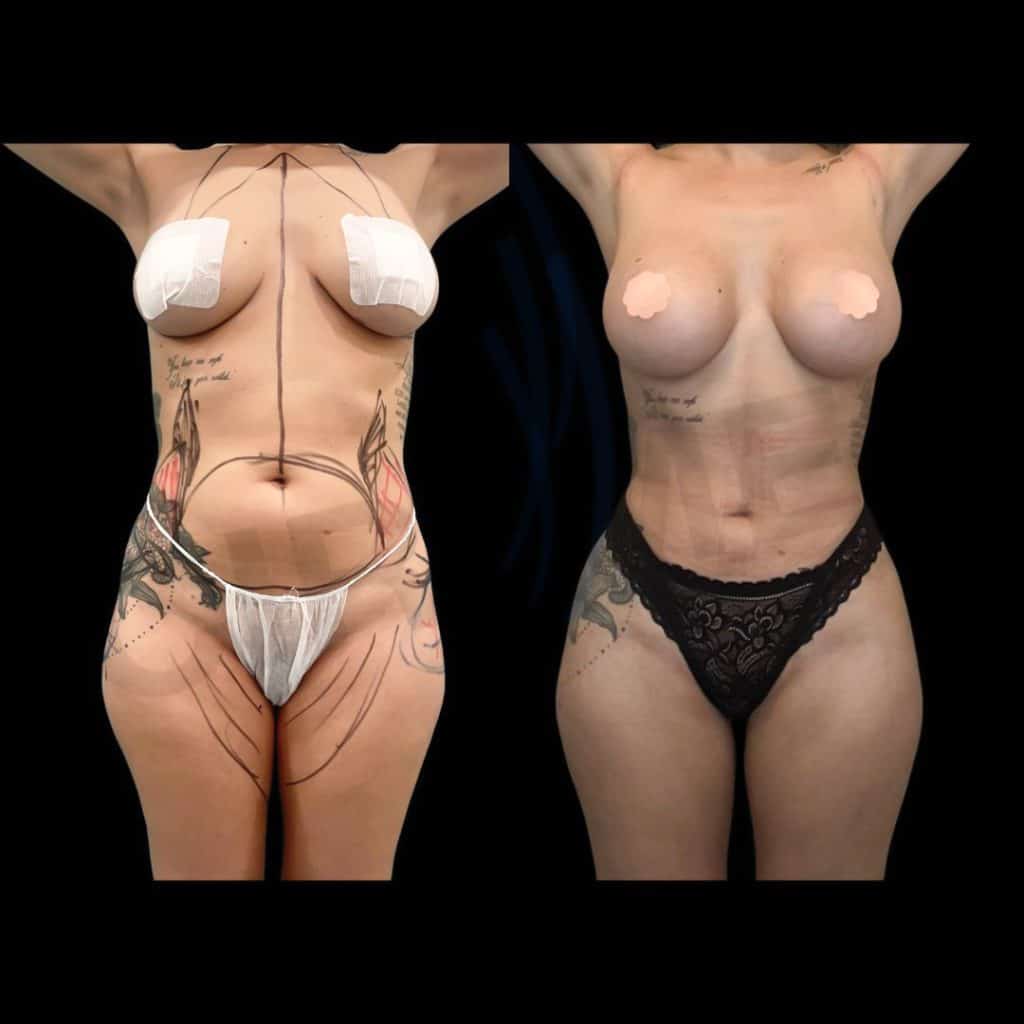
Liposculpture is a surgical technique in plastic surgery that aims to remove localized fat in specific areas of the body such as the abdomen, thighs, arms, buttocks or chin to precisely redefine the body contour.
Unlike traditional liposuction, which focuses on removing large volumes of fat, liposculpture aims for a more selective reshaping of the silhouette. Therefore, finer cannulas and less invasive techniques are used, allowing for more detailed work on the areas to be treated. In some cases, some of the extracted fat can also be reused through [a specific procedure/procedure]. fat transfer to add volume to the buttocks or breasts.
Difference between liposuction and liposculpture
Although both procedures share similarities, there are clear differences between them. In short, liposuction removes fat, while liposculpture also sculpts and redefines the body.
- Focus: Liposuction focuses on reducing volume. Liposculpture, on the other hand, aims to selectively reshape the figure to better define the body contour.
- Technique: Liposuction typically uses thicker cannulas. Liposculpture, on the other hand, uses thinner cannulas, allowing for more precise and less traumatic procedures for the tissues.
- Results: Liposuction prioritizes volume reduction. Liposculpture, on the other hand, aims for a more streamlined, natural silhouette tailored to each patient's anatomy.
How is liposculpture performed? Step by step
This is the part that generates the most questions. We'll explain it below. How is liposculpture done? in detail, from preparation to completion of the surgery:
Assessment and prior marking
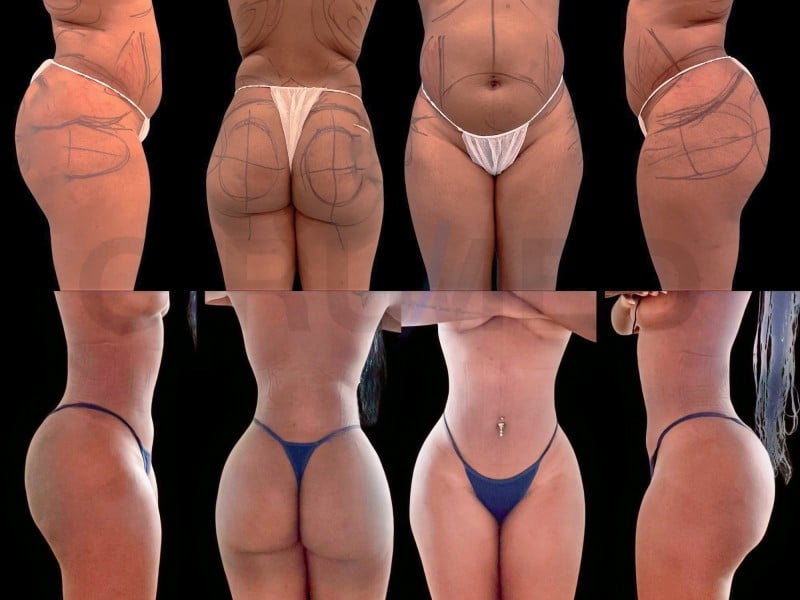
Before the procedure, the surgeon performs a complete evaluation of the patient. The areas to be treated, skin quality, and available fat are analyzed. In addition, the areas to be treated are marked on the skin to guide the sculpting process during the surgery.
Preparation and anesthesia
Depending on the size of the areas to be treated, local anesthesia with sedation or general anesthesia will be used. In addition, before the procedure, the patient must follow specific medical instructions, such as avoiding certain medications and fasting for the indicated number of hours.
Tumescent solution infiltration
A saline solution containing local anesthetic and adrenaline is injected into the treatment areas. This solution, called tumescent, helps to loosen the fat, reduce bleeding, and facilitate its removal. It is a key step in the safety and outcome of the procedure.
Small incisions
Very small incisions, generally less than 1 cm, are made in strategic areas of each treatment zone. Therefore, the resulting scars are minimal and usually well concealed in the natural folds of the skin.
Selective fat removal
Thin cannulas connected to a suction system are inserted. The surgeon moves the cannulas with precise movements to selectively extract fat from the marked areas. This phase is the most crucial for the final result: the surgeon's skill and experience define the resulting contour.
Fat transfer (if applicable)
In some cases, part of the extracted fat is processed and reused by fat transfer to add volume to other areas such as the buttocks in a BBL or breasts. This makes liposculpture a complete body contouring procedure.
Closure and compression belt
Once the procedure is complete, the incisions are closed, and bandages and a compression garment are applied. The garment helps the skin adapt to the new shape and reduces swelling during the first few weeks.
Duration: The procedure can last between 1 and 4 hours depending on the number of areas treated and the extent of the surgery. For more extensive procedures such as 360° liposculpture, the time may be longer.
Types of liposculpture
There are different liposculpture variations depending on the technique and the treatment goals. Therefore, it is important to understand them before your consultation.
Traditional liposculpture
This is the most common method. It is performed under local anesthesia with sedation or general anesthesia, depending on the size of the areas to be treated.
360° Liposculpture
It comprehensively treats the entire circumference of the torso, abdomen, flanks and lower back to achieve a harmonious result in the entire silhouette.
Liposculpture with fat transfer
The extracted fat is reused by fat transfer to add volume to the buttocks, breasts, or other areas. It is the basis of Brazilian Butt Lift.
Ultrasonic liposculpture
Ultrasonic waves are used to liquefy the fat before it is extracted. This also facilitates the procedure and reduces trauma to the surrounding tissues.
High definition liposculpture
In addition to eliminating fat, it allows for more precise muscle definition to achieve a more athletic and defined result.
Liposculpture without surgery
It includes non-invasive techniques such as laser or cryolipolysis. These are more limited options, but they can be useful in specific cases. Consult: liposuction without surgery.
Benefits of liposculpture
Liposculpture is one of the most requested procedures in cosmetic surgery. Its main advantages are:
- Precise body remodeling: It allows you to eliminate localized fat resistant to diet and exercise, visibly redefining your silhouette.
- Lasting Results: The fat cells that are removed do not regenerate. Therefore, the results are maintained long-term if a stable weight is maintained.
- Less damage to tissues: Thanks to the use of thin cannulas, the procedure is less invasive than other techniques, promoting a more manageable recovery.
- Versatility: It can be combined with other procedures, such as tummy tuck or fat transfer, for a more complete transformation.
- Personalization: The treatment is tailored to the needs of each patient, always seeking a proportionate and natural result.
Who is a candidate for liposculpture?
Liposculpture is especially recommended for people with localized fat deposits that they cannot eliminate through diet or exercise and who also have good skin elasticity. Furthermore, the ideal candidate should maintain a stable weight and understand that this procedure is not designed as a weight-loss method, but rather to reshape the body contour.
Ideal candidate: stable weight close to ideal, localized fat in specific areas, skin with good elasticity, good general health and realistic expectations about the result.
⚠ Common contraindications
- Severe obesity or significant overweight
- Cardiovascular diseases or impaired coagulation
- uncontrolled diabetes
- Pregnancy or lactation
- Active infections in the areas to be treated
- Unrealistic expectations about the results
Not sure if you're a candidate for liposculpture?
At Cirumed, we perform a personalized assessment of your anatomy, available fat, and skin elasticity to recommend the most suitable treatment. No obligation.
Postoperative and recovery
Recovery after liposculpture is gradual and, in most cases, well-tolerated if the surgeon's instructions are followed correctly. However, it is important not to underestimate the recovery process.
First days
It is generally recommended to rest for the first few days and avoid strenuous activity for the first few weeks. Additionally, it is normal to experience swelling, bruising, and discomfort in the treated areas during the first few weeks.
Compression girdle
A compression garment is a key element of recovery. It helps reduce swelling as the skin adapts to the body's new shape. Generally, it's recommended to wear it for 4 to 6 weeks, although the surgeon will specify the exact protocol for each individual case.
Additional care
In some cases, lymphatic drainage or massage is recommended to accelerate recovery. On the other hand, it's important to avoid intense sun exposure and heat sources during the initial phase. Final results are more clearly visible once the swelling has completely subsided, which can take between three and six months.
Before and after liposculpture
Before surgery, it is essential to maintain a stable weight and follow all medical guidelines, including pre-operative tests, medications to avoid, and preparation indicated by the specialist.
After the procedure, most patients notice a significant improvement in body contour, with a more defined and harmonious silhouette. Localized fat decreases, and the figure becomes progressively more streamlined. To see real examples, please visit our website. Liposuction and liposculpture results gallery.
Tips before getting liposculpture
Choose the specialist wisely.
Before undergoing liposculpture, it's crucial to choose a plastic surgeon with proven experience in body contouring. The specialist's qualifications directly impact safety and the final result. Therefore, review real cases, certifications, and publications before making a decision.
Define your goals well
With the surgeon's help, you should determine which technique best suits your needs, goals, and anatomical characteristics. It's also important to have realistic expectations: liposculpture improves your figure, but it's not a substitute for a balanced diet or exercise.
Follow the instructions to the letter
Being meticulous with the pre-operative preparation and post-operative care is essential for optimizing the outcome. In fact, the post-operative period is just as important as the surgery itself for achieving the best results.
Cirumed Clinic: experts in liposculpture in Marbella
En Cirumed Clinic, under the direction of Dr. Alexander AslaniWe offer plastic surgery procedures designed to redefine your silhouette safely and in a personalized way. If you're considering liposculpture, schedule a consultation and find out if it's the right option for you. To further your research, you can also consult our [link to relevant information]. ISAPS guidelines.
Request a consultation →No obligation. Personalized assessment with Dr. Aslani.
Frequently asked questions about liposculpture
About the procedure
How exactly is liposculpture performed?
Liposculpture is performed in several steps: marking the areas to be treated, administering anesthesia, infiltrating a tumescent solution, making small incisions of less than 1 cm, selectively extracting fat with fine cannulas, and applying a compression garment afterward. In some cases, the extracted fat is also reused by transferring it to other areas of the body. The procedure lasts between 1 and 4 hours, depending on the extent of the treatment.
How long does liposculpture surgery take?
It depends on the number of areas treated. Liposculpture of a single area can last between 1 and 2 hours. In contrast, more extensive procedures such as 360° liposculpture or liposculpture combined with fat transfer can last between 3 and 5 hours. The surgeon will inform you of the estimated duration during your initial consultation.
What type of anesthesia is used in liposculpture?
It depends on the extent of the surgery. For small or localized areas, local anesthesia with sedation can be used. For larger procedures or when several areas are involved, general anesthesia is preferred. In both cases, the procedure is performed in an operating room with the anesthesia team present.
Does liposculpture hurt?
You won't feel any pain during surgery thanks to the anesthesia. However, it's normal to experience discomfort, tightness in the treated areas, and swelling during the first few days after surgery. Therefore, your surgeon will prescribe appropriate medication to manage pain during your recovery.
Regarding the results and the recovery
When are the results of liposculpture visible?
The first results are visible within the first few weeks, although swelling may make them difficult to see clearly. However, the final results appear after 3-6 months, once the swelling has completely subsided and the skin has adapted to the new shape.
How long does liposculpture recovery take?
Recovery is gradual. Relative rest is recommended for the first 7-10 days. From the second week onward, most patients can resume their daily activities. However, strenuous exercise should be avoided for at least 4-6 weeks. A compression garment should be worn for 4-6 weeks.
Are the results of liposuction permanent?
The fat cells removed do not regenerate, so the results are permanent in the treated areas. However, if significant weight gain occurs after surgery, the fat may accumulate in other areas of the body. Therefore, maintaining a stable weight is essential to preserving the results long-term.
What is the difference between liposculpture and liposuction?
Liposuction focuses primarily on removing large volumes of fat to reduce body volume. Liposculpture, on the other hand, aims for a more precise and selective reshaping of the silhouette, using finer cannulas and less invasive techniques. In practice, the lines between the two have become blurred, and many surgeons use both terms interchangeably.