How Dr. Aslani changed the scientific evidence
La buttock augmentation has experienced enormous growth in the last decade. However, the scientific evidence on gluteal implants Historically, the study has been limited, heterogeneous, and in many cases conditioned by data from the US based on older non-cohesive solid silicone implants, with reported complication rates of up to 30-40%.
En December 2025, Dr. Alexander Aslani and his team in Cirumed Clinic published in Plastic and Reconstructive Surgery – Global Open (PRS GO) the largest English-language analysis on cohesive gel buttock implants, with a homogeneous series treated by a single surgeon.
Scientific article (PRS Global Open):
Reference: Aslani A. Outcome Analysis of Cohesive Gel Implants with New Plane Technique in Primary Buttock Augmentation. Plast Reconstr Surg Glob Open. 2025;13:e7350.
This article explains why this publication is a milestone, how it differs from classic literature based on older “block implants,” and what implications it has for patients seeking a more predictable buttock surgerywith special attention to technique, surgical planning and standardization of the procedure.
If you want to learn about the surgeon and his approach in advanced body contouringYou can visit the page of Dr. Alexander Aslani.
Context: Why the evidence on buttock implants has been confusing
Much of the perception of “high risk” in buttock implants comes from older series based on rigid solid silicone implants and multicenter data with huge variability in technique, surgical plane, postoperative care and reporting criteria.
In other words, for years technologies and methods have been mixed that are not comparable to the modern cohesive implants, which has distorted the true perception of risk.
A 15-year journey: from compound augmentation to Dual-Plane
Composite Buttock Augmentation
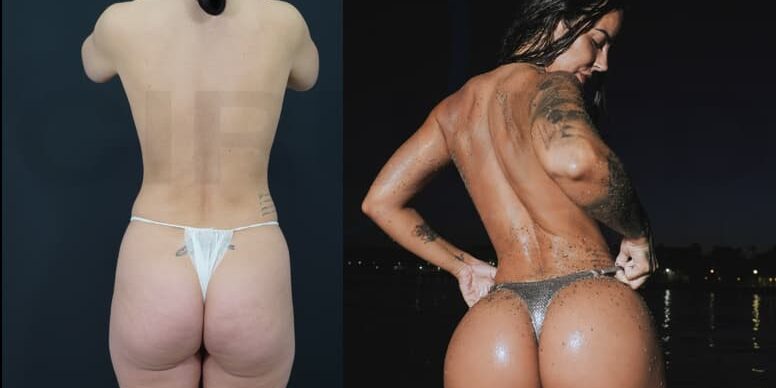
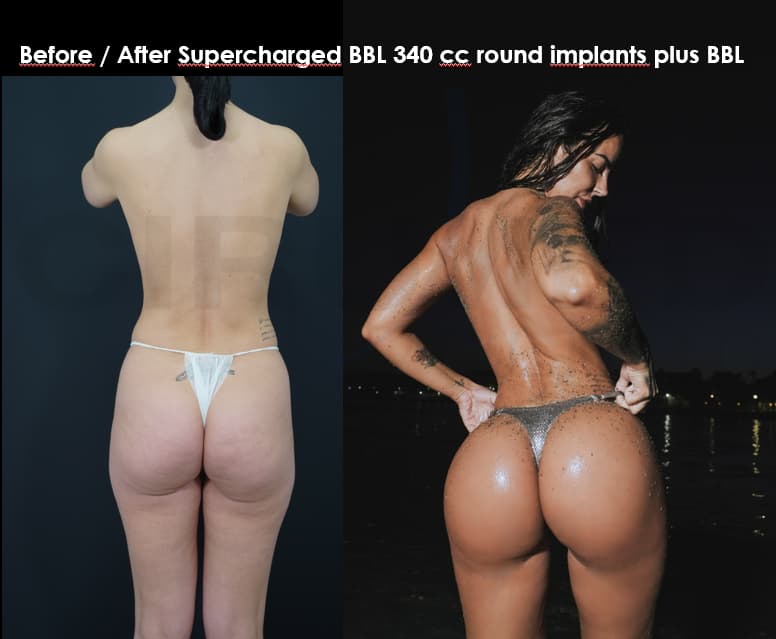
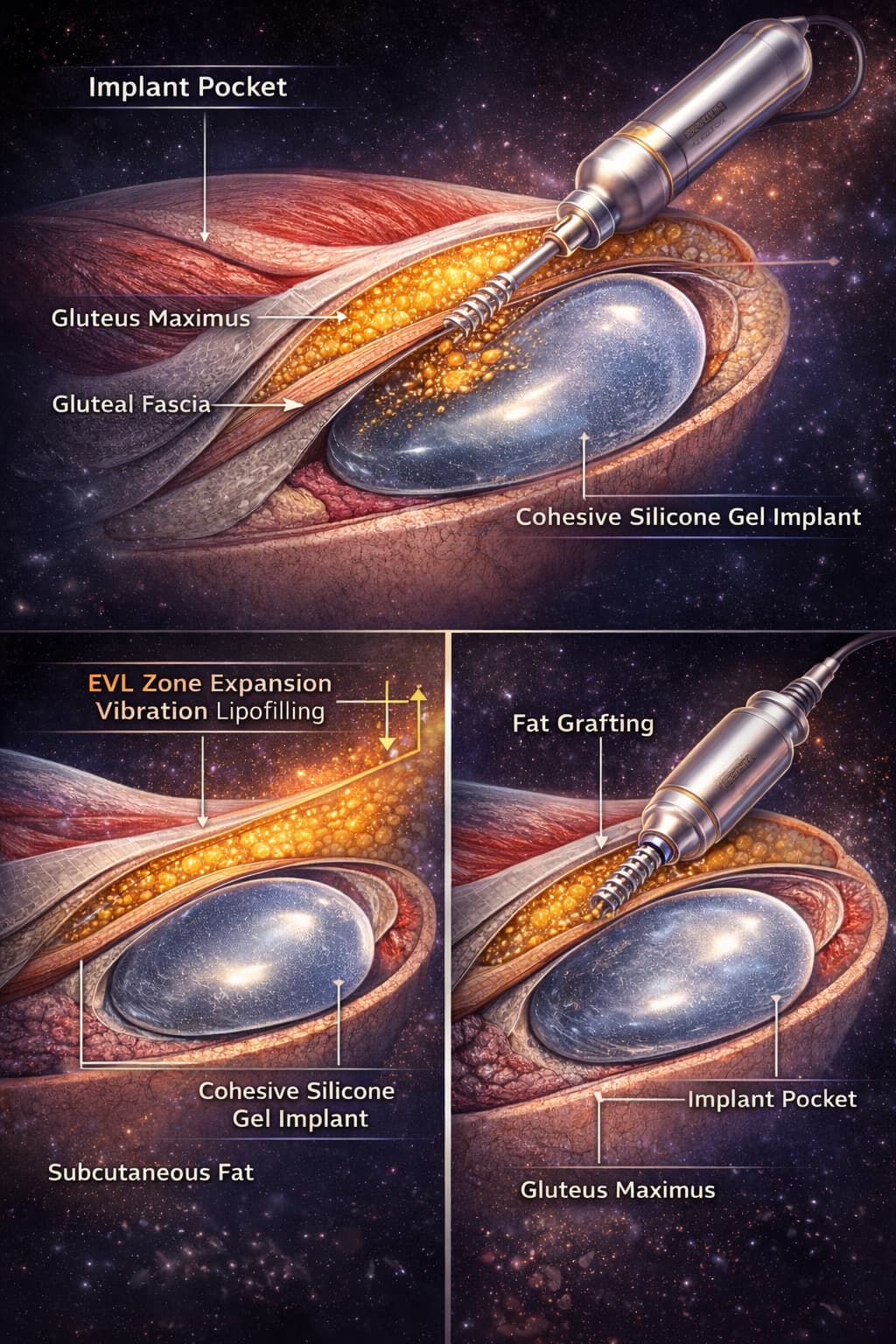
In 2019, Aslani and Del Vecchio published a key work that consolidated the compound augmentation —implant plus fat grafting— as one of the most solid strategies to achieve a natural, stable and anatomically more refined result.
Dual-Plane Pocket Design
The technique Dual-Plane He introduced a pocket-sized design with:
- upper submuscular pole.
- lower pole intramuscular.
This anatomical logic solves one of the classic problems of old techniques: the thinning of the gluteus maximus in the upper third, which can favor the visibility, palpability or instability of the implant.
Why the 2025 study is scientifically unique
1) The largest English-language series on cohesive implants
With 423 casesThis publication far surpasses previous data focused on cohesive implants within the English-language scientific literature.
2) The largest single-surgeon analysis with homogeneous technique
Unlike multicenter series, where numerous surgeons with different approaches participate, in this study there is:
- One surgeon only.
- A consistent technique: Dual-Plane.
- A standardized postoperative protocol.
This reduces variability and makes the results much more clinically interpretable.
3) Clear evidence against the myth of the “40% complications”
The published series provides rates that clearly contrast with the historical literature based on non-cohesive implants:
- 10,8 % of total complications.
- 6,3 % of seroma, of which only 2,2 % intervention was required.
- 1,89 % of rotation or flip of the implant.
- 1,89 % of sciatic neuropraxia, with complete recovery.
- 0% of deep infection requiring explantation.
What does this mean for patients?
For the patient, the message is very clear: the evidence from older rigid implants cannot be extrapolated to new ones. current cohesive gluteal implantsThe right combination of implant type, appropriate anatomical plane y surgical experience It completely changes the security profile.
This does not mean that surgery no longer requires precise indication, planning and experience, but it does show that modern evidence can be much more favorable when current techniques and well-defined protocols are used.
Conclusion
The publication of the largest study on cohesive gluteal implants This marks a turning point in modern gluteal surgery. The series of 423 patients provides a solid scientific basis for understanding the actual complication rates with cohesive implants, dual-plane pockets, and hybrid strategies with fat grafting, correcting many inherited perceptions of outdated technologies.
If you're considering a buttock augmentation and want to know if you're a better fit with cohesive implantsWhether it's a hybrid technique or a completely personalized plan, a specialized consultation allows us to analyze your anatomy, muscle coverage, tissue quality, and projection goals to design a safe, stable strategy tailored to your case.