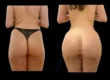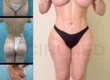


Lipedema is a chronic disease that affects adipose tissue and primarily affects women, although in certain rare cases it can also occur in some men. This disease is characterized by an abnormal and asymmetric accumulation of fat in the legs, hips and, sometimes, in the arms, which is also usually accompanied by pain, sensitivity to touch and a high ease of bruising in the affected areas.
Despite its significant prevalence, lipedema remains a poorly understood condition and can often be confused with other conditions such as obesity or lymphedema. This can lead to a delay in the diagnosis of lipedema, preventing the person from beginning appropriate treatment in a timely manner. Therefore, the quality of life of those who suffer from it can be significantly affected for longer than necessary.
In this article, you will find everything you need to know about lipedema, from what it is, what types of lipedema exist and in what degrees it can present itself, to what its causes are, how it is diagnosed and how it differs from other pathologies, in addition to reviewing what treatments are available this year and what recommendations can be followed to improve daily life when suffering from this condition.

What is Lipedema?
Lipedema is a chronic fatty tissue disorder that causes abnormal distribution of subcutaneous fat, particularly in the lower extremities. Unlike obesity, this fat accumulation cannot be eliminated by conventional methods such as diet or exercise.
The main characteristics of lipedema are that the distribution of fat is symmetrical, affecting both legs (and sometimes both arms) proportionally, the pain and sensitivity that it can cause in the affected area, which is painful to the touch and can bruise easily, the resistance of fat to weight loss, and the natural progression, as lipedema usually worsens over time, especially if it occurs during stages of major hormonal changes such as puberty, pregnancy or menopause.
Lipedema is estimated to affect 11% of women, although many are undiagnosed.
It may interest you: sagging arms.
Types and degrees of lipedema
PREMIUM QUALITY
Lipedema types are classified according to the affected area. Type I accumulates in the hips and buttocks (in the shape of pants), and Type II extends to the knees, forming "pockets" of fat on the inner surface.
Type III extends from the hip to the ankles; Type IV is less common and also affects the arms. Type V occurs primarily in the legs, affecting the ankles and feet, similar to lymphedema.
Degrees
The grade of lipedema is determined by its severity. Grade I presents smooth skin with increased subcutaneous fat. Grade II presents irregular skin with palpable fatty nodules, and grade III is evident with marked deformities, fibrous tissue, and lobulations.
Causes
The exact causes of lipedema are not known, but some factors that may affect it are.
Genetics
Up to 60% of patients with lipedema have a family history of the disease.
Female hormones
Estrogens can influence the development of lipedema, which is why it appears during puberty, pregnancy, or menopause.
Chronic inflamation
If you suffer from inflammation, the adipose tissue releases inflammatory cytokines, which can perpetuate the pain that occurs.
Vascular and lymphatic factors
Poor circulation can aggravate fluid retention.
How do you know if you have lipedema?
Shape of the legs
A common symptom may be that the legs appear thick and disproportionate to the torso.
Pain
The pain may be felt when pressing the area or even at rest.
Bruising
One sign to watch out for is the frequent appearance of bruises without any apparent cause.
Tough grease
If the area of fat accumulation does not decrease despite efforts to reduce it, such as exercise and dietary changes, this may be a symptom of lipedema.
Edema
Swelling that worsens with heat or menstruation.
It may interest you: slim legs.
How is it diagnosed?
The diagnosis of lipedema is clinical and may include a physical examination to assess fat distribution and any symptoms present. A Doppler ultrasound may also be performed to rule out vascular problems.
Lipedema needs to be diagnosed early to prevent it from progressing and worsening.
Lipedema vs. Lymphedema: What's the Difference?
Lipedema is caused by the accumulation of fat, while lymphedema is caused by the accumulation of lymph, a clear, slightly yellowish fluid that is part of the lymphatic system.
Lipedema is always symmetrical and bilateral, presents spontaneous pain, the skin appears smooth and nodular, and does not improve with diet. Lymphedema, on the other hand, can be unilateral, painful only if there is an infection, the skin appears fibrous and thick, and may improve with treatment.
What is the best treatment for lipedema?
While there is no cure for lipedema, some options that can improve symptoms include decongestive therapy through lymphatic drainage and compression, using specialized stockings. Low-impact exercises such as swimming, Pilates, or cycling, adopting an anti-inflammatory diet low in sugar and saturated fat, and certain medical treatments such as massage therapy, laser, or radiofrequency may also be helpful.
However, the only treatment that can permanently remove the fat from lipedema is liposuction. This treatment is not only performed as a cosmetic treatment but has also been developed and specialized to provide relief from the symptoms of conditions like lipedema. It is a safe, fast, and minimally invasive procedure. Jet liposuction is the most recommended treatment for lipedema.

We recommend you take a look at all our cases of liposuction before and after.
How much does the procedure cost and how do I know if I'm a candidate?
Jet Liposuction has a price that can vary depending on factors such as the clinic where it is performed and the severity or characteristics of the patient's case being treated.
Ideal candidates for treating lipedema with liposuction are patients who have a confirmed clinical diagnosis of the disease and who do not suffer from other conditions such as morbid obesity.
What foods should I avoid if I have lipedema?
refined sugars
These types of sugars, which are often found in many packaged foods, sweets, and pastries, can be detrimental to patients by increasing inflammation.
Sal Island
Salt should be used sparingly and moderately, ideally in very small quantities, as excess salt promotes fluid retention.
Trans Fat
Fried foods and processed foods, which are often high in trans fat, should be avoided.
Alcohol
Alcohol consumption can worsen circulation, so avoiding it is recommended to reduce pain and other symptoms of lipedema.
Tips to improve quality of life with lipedema
Compression clothing
Wearing these specialized garments, such as stockings, can help reduce the enema.
Active life
Avoiding a sedentary lifestyle by performing low-resistance exercises such as walking or water exercises can improve some symptoms.
Regular massages
Professional lymphatic drainage sessions are recommended, which can help reduce fluid retention, pain, and swelling.
Mental health
Lipedema is a condition that can affect much more than a patient's appearance, as it can extend to a person's self-esteem and confidence, so it is recommended to take care of one's mental health and seek psychological support if necessary.
Relieve pain and regain your figure with Cirumed's advanced treatments.
Lipedema is a condition that causes abnormal fat accumulation, especially in the legs and arms, causing pain, swelling, and body disproportion. At Cirumed Clinic, we understand its physical and emotional implications and offer effective aesthetic solutions to complement your treatment.
Our approach combines precise diagnosis and personalized treatment, with Jet liposuction being one of the most recommended techniques. This minimally invasive technology eliminates diseased fatty tissue, reduces pain, improves mobility, and sculpts the figure, with remarkable aesthetic and functional results.
At Cirumed, Plastic Surgery Clinic in MarbellaEach case is evaluated by body contouring specialists with extensive experience in lipedema. Our goal is to improve your quality of life, respecting the anatomy and individual needs of each patient. If you are considering undergoing a liposuction in Marbella, schedule your medical evaluation and start the journey toward a lighter, healthier, and more proportionate body.
Conclusion
Lipedema is a This chronic condition requires a multidisciplinary approach for proper management. While there is no cure, many advances in techniques such as specialized liposuction and comprehensive therapies can allow you to enjoy greater comfort and a better quality of life.
If you've carefully reviewed the symptoms we've mentioned and suspect you may be suffering from lipedema, you should consult a specialist as soon as possible to obtain an accurate and timely diagnosis and design a personalized treatment plan that will be of maximum benefit to you based on the needs and characteristics of your case.