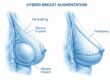
Breast reconstruction is a surgical procedure that goes far beyond aesthetics, representing a genuine process of physical and emotional recovery for many women who have lost one or both breasts due to cancer, severe trauma, or congenital malformations. This intervention can help restore self-esteem, femininity, and a sense of normalcy after such a complex process as a mastectomy.
In recent years, advances in surgical techniques have made it possible to achieve increasingly natural and personalized results, adapting to the individual needs of each patient. Even so, the decision to undergo breast reconstruction is deeply personal and should be made with clear information, realistic expectations, and the support of a specialized medical team.
In this article you will find a complete guide on the types of breast reconstruction available, who can opt for this surgery, how it is performed, what the recovery is like and what factors you should consider before making a decision.
What is breast reconstruction?

Breast reconstruction is a plastic surgery procedure that aims to recreate a breast with a natural appearance after its loss or removal. It can be performed immediately, during the same surgery as the mastectomy, or later, months or even years later.
This procedure may include the use of breast implantsAutologous tissue from the patient's own body or a combination of both techniques can be used. The goal is to achieve a harmonious, natural, and symmetrical result with the other breast, always adapted to the anatomy and circumstances of each patient.
Types of breast reconstruction
Reconstruction with implants
This technique involves placing breast implants to restore breast volume. It is usually a less invasive option than reconstructions using the patient's own tissue and generally allows for a faster recovery. Furthermore, it avoids additional scarring in other areas of the body.
However, it is not always the best option for patients with severely damaged skin, prior radiation therapy, or limited tissue coverage. It may also require follow-up appointments or procedures over time.
Reconstruction with own tissue
This technique uses tissue from other areas of the body, such as the abdomen, back, or buttocks, to reconstruct the breast. It usually offers a more natural result in terms of texture and mobility, since it uses the patient's own tissue.
It is a particularly interesting option in some complex cases or when seeking to avoid implants, although it is a longer surgery with a more demanding post-operative period.
Combined reconstruction
In certain patients, it may be advisable to combine implants and the patient's own tissue to achieve a better result, especially when the available volume or tissue quality requires a more personalized solution.
You might be interested in learning more about the breast implants and how they influence surgical planning.
Who is eligible for this surgery?
Breast reconstruction is indicated for women, and in some cases also for men, who have partially or completely lost one or both breasts. This can occur after a mastectomy due to breast cancer, preventive surgery due to high genetic risk, or as a result of trauma or congenital malformations.
It may also be indicated in patients with breast development disorders or in cases of sequelae resulting from previous surgeries.
The possibility of performing the reconstruction depends on various factors, including general health status, history of radiotherapy, skin quality, and habits such as smoking, which can influence healing and surgical risk.
In some cases, reconstruction can be performed immediately; in others, it is preferable to wait and plan it later according to the oncology plan and clinical evolution.
How is breast reconstruction performed?
Preoperative evaluation
Before surgery, a thorough evaluation with the plastic surgeon and, when necessary, with the oncology team is essential. This includes a review of the patient's medical history, tests, tissue condition, and expectations.
Duration and type of anesthesia
The duration of the procedure varies depending on the technique chosen. Generally, it is performed under general anesthesia and can range from relatively short procedures to more complex and prolonged surgeries.
Nipple and areola reconstruction
In some cases, nipple and areola reconstruction is performed in a second stage, using specific techniques or medical tattooing, to complete the final result and provide a more natural appearance.
Breast reconstruction: before and after
Before surgery, patients may experience partial or total absence of the breast, asymmetry, visible scarring, or skin abnormalities, especially if they have undergone radiation therapy. In some cases, this situation can significantly affect body image and emotional well-being.
After reconstruction, the goal is to restore the shape and volume of the breasts, achieving better symmetry and greater body harmony. Although there is some swelling initially and the results evolve over time, many patients experience a significant improvement both physically and emotionally.
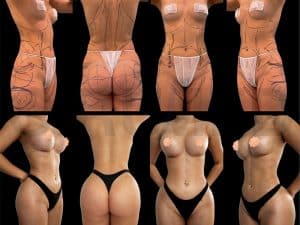
If you want to see real examples of breast augmentation results, you can check out our case studies. breast augmentation before and after.
Recovery and postoperative care
Rest and limitation of physical activity
During the first few weeks it is important to avoid intense physical exertion and follow medical advice regarding mobility, rest and use of a post-surgical bra if indicated.
Pain and inflammation control
It is normal to experience inflammation and discomfort in the postoperative period, which are usually controlled with the prescribed medication and the care recommended by the medical team.
Medical monitoring
Post-operative check-ups are essential to monitor progress, assess healing, and detect any potential complications early.
Risks and complications
Infection
As with any surgery, there may be a risk of infection, although proper follow-up and preventive measures help to reduce it.
Healing problems or necrosis
In some cases, especially in reconstructions using the patient's own tissue or in patients with risk factors, difficulties in healing may occur.
capsular contracture
In reconstructions with implants, hardening of the tissue around the implant may occur, which in some cases requires additional treatment.
Seromas or hematomas
Fluid or blood may accumulate after surgery, sometimes requiring monitoring or drainage.
Changes in sensitivity
The sensitivity of the reconstructed breast or donor area may be altered temporarily or permanently.
What is the best option for me: factors to consider
Health status and lifestyle
The most appropriate type of reconstruction depends on the patient's overall condition, medical history, tissue quality, and factors such as smoking.
Type of mastectomy and skin quality
The amount of skin preserved and the possible impact of radiotherapy greatly influence the choice between implants, autologous tissue, or combined techniques.
Personal objectives
Some patients prioritize a natural look, others prefer to avoid additional scarring, and still others seek a simpler recovery. Therefore, reconstruction should always be planned on an individual basis.
Emotional impact
Some patients want immediate reconstruction, while others prefer to wait. Both decisions are valid and should be respected within a proper medical plan.
You might also be interested in learning more about the natural breast enlargement and how to achieve a harmonious and proportionate appearance in breast surgery.
Frequently Asked Questions (FAQs)
How long does recovery from breast reconstruction take?
Recovery depends on the technique used and the progress of each patient, although it usually requires several weeks.
Is reconstruction mandatory after a mastectomy?
No. Breast reconstruction is always a personal decision.
Can I breastfeed after reconstruction surgery?
It will depend on the type of surgery performed and the structures preserved. It must be assessed on a case-by-case basis.
How long does results last?
The duration depends on the technique used, natural aging, and tissue evolution. In the case of implants, checkups or revisions may be necessary over time.
Can you choose the size of the new breast?
Yes, always within what is appropriate for the patient's anatomy and seeking a proportionate and harmonious result.
Regain your confidence with Cirumed Clinic
Breast reconstruction is much more than plastic surgery: it's an important part of the recovery process after a mastectomy or breast loss. Cirumed, Plastic Surgery Clinic in MarbellaWe understand the physical and emotional dimension of this process and offer advanced techniques to restore the shape, volume, and symmetry of the breasts with the greatest possible personalization.
Dr Alexander Aslani, Plastic surgeon in MarbellaHe leads a team that studies each case with precision to design a surgical plan tailored to the medical history, anatomy, and needs of each patient.
If you are considering breast surgery and are looking for a team with experience, sensitivity, and an individualized approach, at Cirumed Clinic You will find professional support throughout the entire process.
Conclusion
Breast reconstruction is a process that can help restore confidence, body image, and emotional well-being after the loss of a breast. Thanks to the various techniques available, it is now possible to tailor the surgery to the needs and circumstances of each patient.
The decision should always be made together with a specialized medical team, realistically assessing which option is most appropriate in each case.