Abdominal fat: best treatments
Abdominal fat is one of the most common aesthetic and health concerns today. Despite following a balanced diet and exercising regularly, many people find it difficult to eliminate localized fat deposits in the belly. This accumulation not only affects one's figure but can also be associated with metabolic disorders and an increased risk of cardiovascular disease.
In recent years, aesthetic medicine and plastic surgery have developed increasingly precise treatments to reduce abdominal fat, with options adapted to different types of patients, degrees of sagging, and aesthetic goals.
In this article we explain what abdominal fat is, why it accumulates, what types exist, what the most effective treatments are for reducing it, what results you can expect, and how to choose the best option for your situation.
What is abdominal fat?
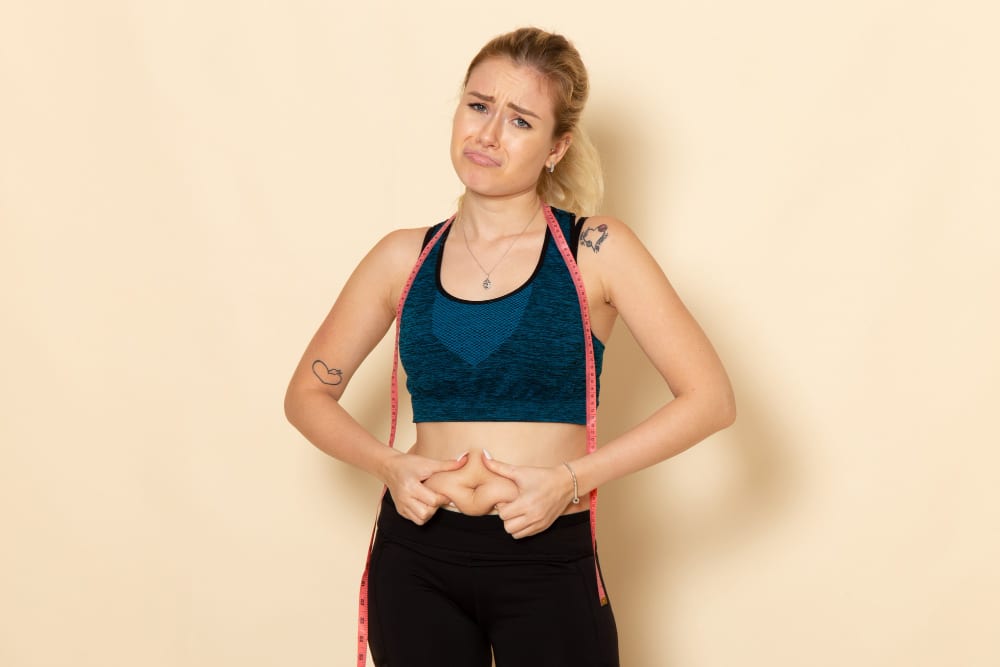
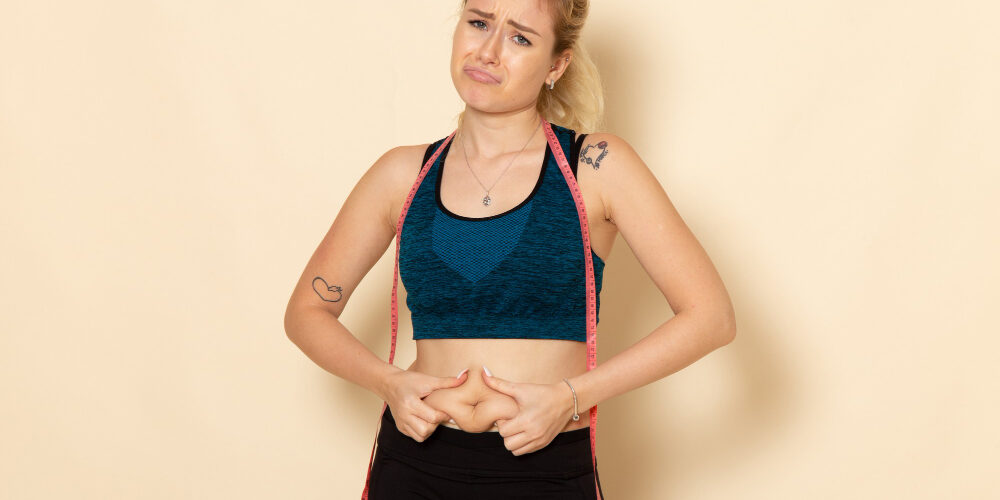
Abdominal fat is the adipose tissue that accumulates in the belly area. It can be found both under the skin, in the form of subcutaneous fat, such as around the internal organs, in the form of visceral grassUnlike fat located in other areas of the body, abdominal fat accumulation can have a greater impact on health and body contour.
Subcutaneous fat is the most visible and palpable type of fat. It is located between the skin and the abdominal muscles, and although it usually has less metabolic impact than visceral fat, it can be very resistant to diet and exercise.
Visceral fat, on the other hand, surrounds organs such as the liver, pancreas, and intestines. This type of fat is associated with chronic inflammation, insulin resistance, and an increased risk of metabolic disorders.
Excess abdominal fat can manifest as a soft abdomen, a hard and prominent belly, or a combination of fat and loose skin, especially after pregnancies or significant weight loss.
Types of abdominal fat
subcutaneous fat
It lies just beneath the skin and usually has a soft texture. It's the layer that forms folds and is the biggest aesthetic concern. It can be improved with procedures such as... liposculpture, the liposuction or body remodeling techniques.
visceral fat
It accumulates around internal organs and cannot always be felt or pinched externally. It usually increases abdominal girth and has a greater impact on overall health. In these cases, medical treatment typically focuses on healthy lifestyle habits, metabolic control, and specialist evaluation.
Why does abdominal fat accumulate?
Genetic and hormonal factors
Genetics influences the distribution of body fat. In addition, certain hormonal changes or elevated cortisol levels due to stress can promote its accumulation in the abdomen.
Inadequate diet
Excessive consumption of sugars, refined flours, ultra-processed foods, and trans fats promotes an increase in abdominal adipose tissue.
Sedentary lifestyle
Lack of physical activity reduces energy expenditure and promotes fat storage. It can also worsen the muscle tone of the abdominal wall.
Chronic stress
Prolonged stress can alter appetite, rest, and hormonal balance, promoting fat accumulation in the midsection.
Aging
With age, metabolism slows down and muscle mass is lost, which facilitates an increase in body fat and a loss of abdominal definition.
Pregnancy and body changes
Localized fat deposits and skin laxity may appear after pregnancy. abdominal diastasiswhich alters the shape of the abdomen and may require more comprehensive treatments.
How to eliminate abdominal fat?
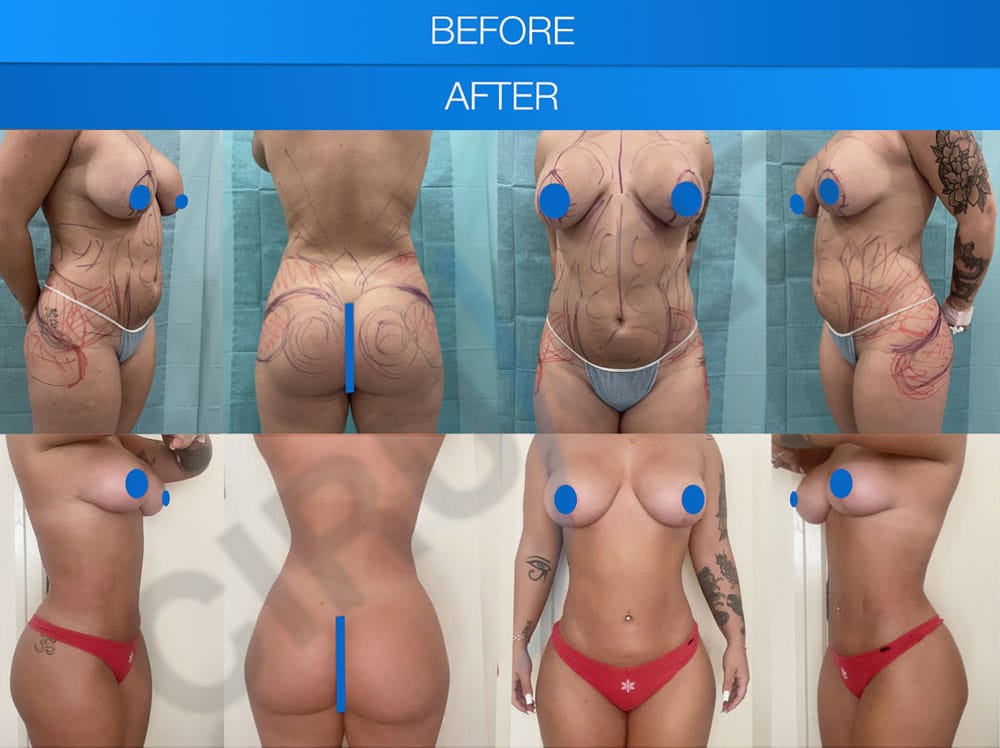
Liposculpture
La liposculpture It is a technique designed to eliminate localized fat and redefine body contours more precisely. It can offer a more harmonious result for patients who wish to improve their silhouette without treating large excess skin.
Its advantages include more detailed reshaping and a generally faster recovery than other more extensive techniques.
Liposuction
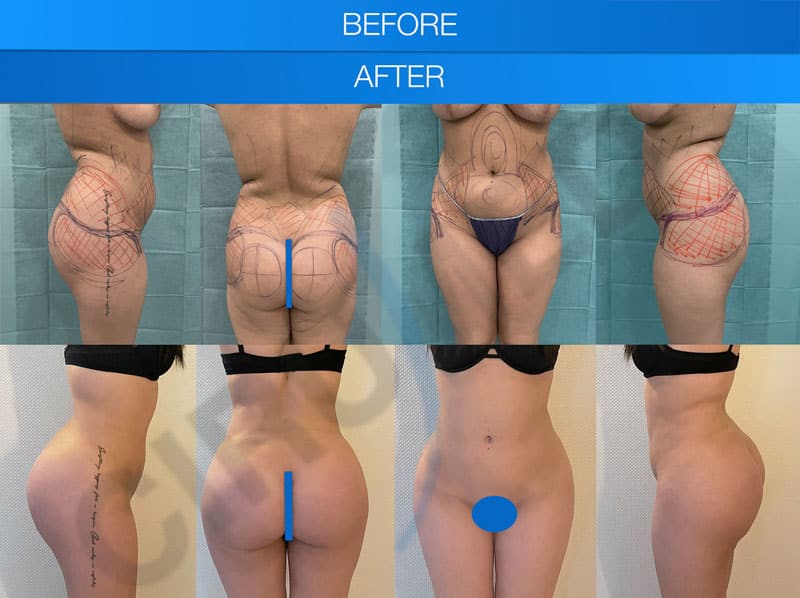
La liposuction It is a surgical technique that allows for the removal of localized fat in areas such as the abdomen, waist, or flanks. It is one of the most effective options when there are fat deposits resistant to exercise and diet.
It is especially useful in patients with good skin quality and without significant sagging.


Abdominoplasty
La tummy tuck It is indicated when, in addition to abdominal fat, there is excess skin or separation of the abdominal muscles. It allows for a more complete improvement of the abdominal contour, especially after pregnancies or significant weight loss.
It is a broader procedure that can provide very visible changes in selected patients.
Mini tummy tuck
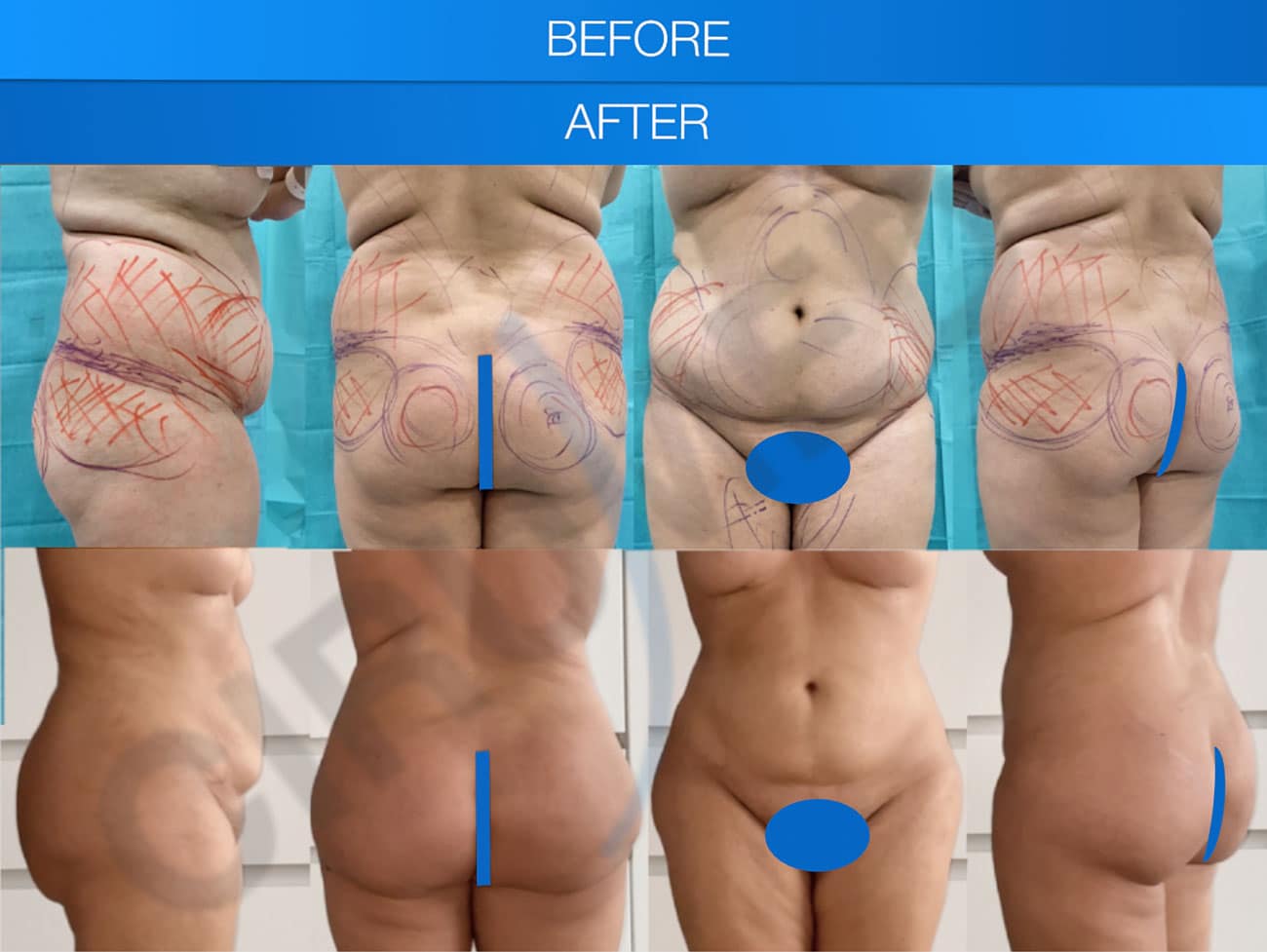
La mini tummy tuck It is a less extensive alternative for patients with mild, localized laxity in the lower abdomen. It may be a suitable option when complete correction of the entire abdominal wall is not required.
It may interest you: mini-abdominoplasty: advantages and recovery.
Results: Before and After
Before treatment, many people have a prominent abdomen, fat accumulation in the flanks, lack of muscle definition, or sagging skin. After the procedure, the goal is to achieve a more harmonious waistline, a flatter abdomen, and a better-proportioned silhouette.
The results depend on the chosen technique, skin quality, fat volume, and each patient's anatomy. With surgical treatments, the improvement is usually more noticeable, while with less invasive procedures, the changes tend to be more gradual.
We recommend you take a look at our galleries of Lipo 360 before and after y abdominoplasty before and after.
Recovery and aftercare
Rest and use of a compression belt
In surgical procedures, relative rest is usually recommended for the first few days. Wearing a compression garment helps control swelling and promotes tissue healing.
Hydration and balanced nutrition
Maintaining proper hydration and an anti-inflammatory diet can help improve the recovery process and reduce swelling.
Progressive exercise
Physical activity should be resumed gradually and always following medical advice. After abdominal surgery, it is important to avoid strenuous activity until you have received medical clearance.
Lymphatic drainage massages and medical follow-up
In some cases, lymphatic drainage or postoperative massage may be recommended to improve recovery. Medical checkups are essential to monitor the healing process.
Sun protection for scars
When scars are present, it is essential to protect the area from the sun to prevent pigmentation changes.
What is the best treatment for you?
The choice of treatment depends on several factors: the volume of fat, the presence or absence of sagging skin, the quality of the skin, the existence of abdominal diastasis, and the type of result desired.
In patients with localized fat and good skin elasticity, the following is usually assessed: liposuction and Lipo 360When there is also excess skin or muscle weakness, the Abdominoplasty in Marbella It may be the most complete option.
Can it be treated together with other areas of the body?
Yes. In many cases, it's possible to combine abdominal treatment with other areas to achieve a more balanced result. For example, the Lipo 360 It allows you to treat the abdomen, waist, back and flanks in the same procedure.
Abdominal procedures can also be combined with thigh, buttock or waist reshaping, provided there is an appropriate medical indication and the surgeon considers it safe.
Frequently Asked Questions (FAQs)
What is better, liposculpture or liposuction?
It depends on the case. Liposculpture is more focused on body contouring, while liposuction focuses on removing localized fat from specific areas.
Can abdominal fat return after treatment?
Yes. Although the treated fat cells are reduced, subsequent weight gain can affect the result. Maintaining healthy habits is key to preserving it.
What risks or side effects may occur?
Inflammation, bruising, temporary discomfort, or irregularities may occur, especially after surgical procedures. Proper diagnosis and follow-up help minimize risks.
Can I undergo treatment if I have had previous cesarean sections or pregnancies?
Yes, but an individualized assessment is important to determine the most appropriate procedure, especially if there is sagging or diastasis.
Is abdominoplasty useful for weight loss?
No. Abdominoplasty is not a weight loss treatment, but a procedure to improve the abdominal contour when there is excess skin or weakness of the abdominal wall.
Eliminate abdominal fat and shape your silhouette at Cirumed
Fat accumulation in the midsection is one of the most frequent aesthetic concerns for both men and women. Cirumed Clinic, Plastic Surgery Clinic in MarbellaWe offer specialized treatments such as liposuction in Marbella, the Lipo 360 and Abdominoplasty in Marbella, aimed at reducing localized fat and redefining the abdomen harmoniously.
Our medical team employs advanced techniques and a personalized approach to tailor each treatment to the anatomy and goals of each patient, always seeking natural and proportionate results.
Conclusion
Eliminating abdominal fat requires a proper assessment and a treatment tailored to each individual case. Depending on the type of fat, skin quality, and degree of sagging, options ranging from body contouring procedures to more extensive surgeries may be recommended. A specialist's opinion will be crucial in choosing the most suitable option and achieving a safe and satisfactory result.