

Diagnosis and surgical treatment at Cirumed
Lipedema is a chronic disease of fatty tissue that mainly affects women and is often confused with obesity, fluid retention, or lymphedema.
This is not simply an aesthetic or weight problem. It is a real pathology that causes abnormal fat accumulation, especially in the legs and, in some cases, in the arms, accompanied by pain, tenderness, swelling, and a very characteristic disproportion between the upper and lower body.
Many patients go years without receiving a correct diagnosis. They often try diet, exercise, lymphatic drainage, or conventional treatments without achieving real improvement, leading to frustration and a worsening of their quality of life.
Therefore, early diagnosis and treatment by specialists are essential. If you would like more information about the Treatment options for lipedemaAt Cirumed, we address this pathology from an individualized medical and surgical perspective.
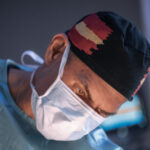
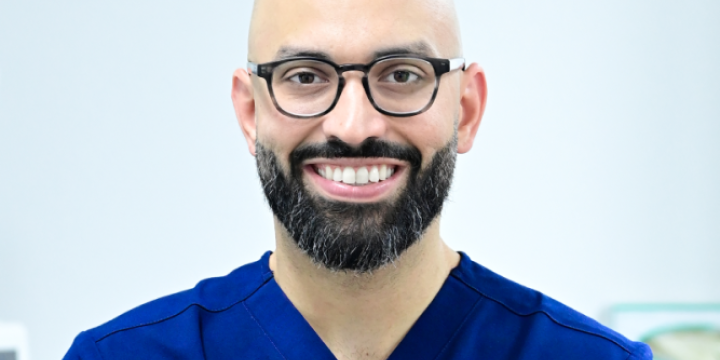
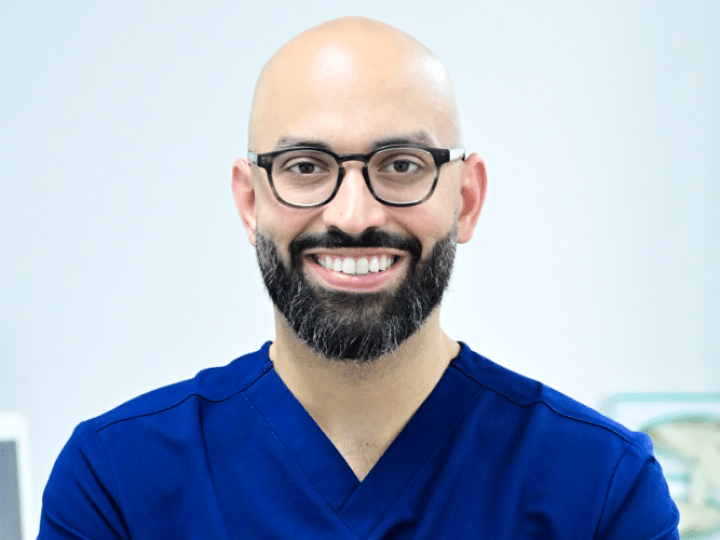
En CirumedThe treatment of lipedema is approached from a specialized medical and surgical perspective. Dr. Gustavo, a member of the Cirumed medical teamWe perform treatments aimed at eliminating pathological fat tissue and improving both the functionality and body contour of patients suffering from this condition. You can also learn more about our medical philosophy at [website/link]. team led by Dr. Alexander Aslani.
Quick facts
Pathology: chronic disease of fatty tissue.
Common areas: legs, thighs, hips and, in some cases, arms.
Common symptoms: pain, tenderness, heaviness, swelling, and easy bruising.
Key difference: Lipedema fat does not respond normally to diet or exercise.
Surgical treatment: specialized liposuction to remove pathological fatty tissue in a controlled manner.
Do you want a personalized assessment?
Every patient is different. At Cirumed Clinic Marbella, Dr. Aslani's team will study your case individually to explain which options are safe, realistic, and suitable for your anatomy.
You can send us your goals and some photos via video consultation. We'll guide you through the procedure, recovery, and the most suitable plan for you.
⚡ The essentials — what you need to know
Lipedema is not obesity or conventional localized fat.
It usually affects the legs, thighs, hips or arms symmetrically, normally sparing the feet and hands.
It can cause pain, inflammation, heaviness, tenderness to the touch, and frequent bruising.
Many patients go years without a diagnosis because it is confused with being overweight, fluid retention, or lymphedema.
When symptoms are significant or the disease progresses, specialized surgery can help reduce the affected fatty tissue and improve quality of life.
Treatment should be planned on an individual basis, taking into account the degree of lipedema, the affected areas, the quality of the skin, and the patient's general condition.
What is lipedema and how is it treated?
Lipedema is a chronic adipose tissue disorder that causes abnormal fat accumulation, primarily in the legs and, in some cases, the arms. It does not typically improve with diet or exercise and can cause pain, swelling, heaviness, and bruising. When indicated, surgical treatment consists of specialized liposuction aimed at removing abnormal fat tissue and improving function.
What is lipedema and how to recognize its symptoms
Lipedema is an alteration of adipose tissue that usually appears or worsens during times of hormonal change, such as puberty, pregnancy, or menopause.
It is characterized by a symmetrical accumulation of fat in the legs, thighs, hips, or arms, usually sparing the feet and hands. This distribution helps to differentiate it from other disorders.
In addition to increased volume, patients often describe discomfort that affects their daily lives. It not only changes the shape of the limbs, but also their physical sensation and overall well-being.
The most frequent symptoms of lipedema include:
- Accumulation of fat in legs that does not respond to diet or exercise.
- Pain or tenderness to touch.
- Sensation of heaviness in the limbs.
- Prone to bruising.
- Persistent inflammation.
- Body disproportion between torso and legs.
- Progressive worsening over time.
These signs can vary in intensity, so an individualized assessment is essential to determine the extent of the problem and decide on the most appropriate treatment. In many cases, this initial assessment is the step that allows us to distinguish between a cosmetic issue and a true adipose tissue disease.
Do you want a personalized assessment?
Why lipedema is neither obesity nor conventional liposuction
One of the biggest problems with lipedema is that it is often misunderstood. Many patients have been treated for years as if their problem were simply excess weight.
However, the fatty tissue in lipedema behaves differently: it does not disappear normally with diet, exercise, or weight loss.
This explains why active women with healthy habits and even those of normal weight can have disproportionate, painful legs with a marked tendency to inflammation.
The problem is not only the amount of fat, but its pathological nature.
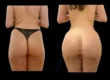
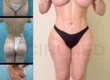
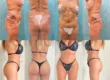
For this reason, the surgical treatment of lipedema should also not be confused with a conventional cosmetic liposuctionIt requires experience, anatomical knowledge, and a technique focused on preserving important structures, especially the lymphatic system. Depending on the case, it may also be useful to assess the overall contour within a strategy of Body surgery and before and after results.
Lipedema treatment through specialized surgery
When lipedema causes significant discomfort, functional limitations, or progressive deformity of the body contour, surgery may become the best therapeutic alternative.
Currently, one of the most effective treatments is specialized liposuction for lipedema, designed to remove the affected fatty tissue in a controlled manner.
The goal is not only to reduce volume. It also aims to alleviate symptoms, improve mobility, reduce the feeling of heaviness, and restore a more harmonious body proportion.
In many cases, patients experience a significant improvement in their quality of life after the intervention.
The surgical technique should be planned in a personalized way according to the degree of lipedema, the affected areas, the quality of the skin and the general condition of the patient.
Not all patients have the same anatomical pattern, so the treatment plan must be carefully tailored. You can learn more about this on our page about lipedema treatments and in the general context of Body surgery and contouring.
Dr. Gustavo's approach at Cirumed
At Cirumed, lipedema treatment is part of an advanced approach to body contouring surgery.
Dr. Gustavo participates in the assessment and treatment of patients with this disease, combining medical judgment, surgical experience, and a plan adapted to each case.
The goal of treatment is not only to improve the appearance of the legs or affected areas. It also aims to reduce the physical and emotional burden that lipedema places on many patients, especially those who have lived for years with pain, swelling, and frustration due to a lack of diagnosis.
The specialist's experience is key, because lipedema surgery requires technical precision and a clear understanding of the particularities of this pathology.
In this context, surgery should be understood as part of specialized medical treatment, not as a standard cosmetic procedure. If you would like to learn more about the clinic's medical and surgical philosophy, you can visit the section about us.
When to consider surgery for lipedema
Not all patients arrive for consultation at the same stage of the disease.
Some women seek help because they've noticed pain and disproportionate legs for years. Others come when the problem already affects their mobility, their clothing, their self-esteem, or their ability to comfortably perform physical activity.
Evaluation by a specialist is especially important when there are clear signs of lipedema and conservative treatments have not provided sufficient improvement.
In these cases, surgery can offer a more effective and lasting solution to reduce the burden on affected tissue.
A proper medical consultation allows for an analysis of your anatomy, confirmation of the diagnosis, and a clear explanation of the expected results, the areas to be treated, and the postoperative process. If you are at this point, you can contact Cirumed for a personalized assessment.
Frequently asked questions about lipedema
Lipedema is a chronic adipose tissue disorder that causes an abnormal accumulation of fat, primarily in the legs and, in some cases, the arms. This fat is resistant to diet and exercise and is often accompanied by pain, tenderness, swelling, and easy bruising.
Unlike obesity, lipedema presents with a very characteristic distribution of body fat. Patients typically have a relatively thin upper body and a disproportionate accumulation of fat in the legs or arms. Furthermore, this fat does not respond normally to weight loss.
Lipedema is a chronic condition, meaning there is no definitive cure. However, treatments exist that can significantly improve symptoms and body contour. In advanced cases, specialized liposuction can help remove some of the affected fat tissue and improve the patient's quality of life.
No. Surgery to treat lipedema is a specialized liposuction procedure that requires specific techniques to preserve lymphatic structures and treat the abnormal fat tissue. For this reason, it must be performed by surgeons experienced in treating this condition.
Patients with clear symptoms of lipedema, such as pain, persistent swelling, or body disproportion that does not improve with conservative treatments, may benefit from an evaluation by a specialist. After a proper diagnosis, the surgeon can determine if surgery is an appropriate option.
Specialized consultation for lipedema at Cirumed
If you suspect you may have lipedema or want to know about the available treatment options, the Cirumed medical team can assess your case in a personalized way and guide you on the most appropriate solution according to your diagnosis and symptoms.
Do you want a personalized assessment?
Every patient is different. At Cirumed Clinic Marbella, Dr. Aslani's team will study your case individually to explain which options are safe, realistic, and suitable for your anatomy.
You can send us your goals and some photos via video consultation. We'll guide you through the procedure, recovery, and the most suitable plan for you.